- calendar_today June 28, 2026
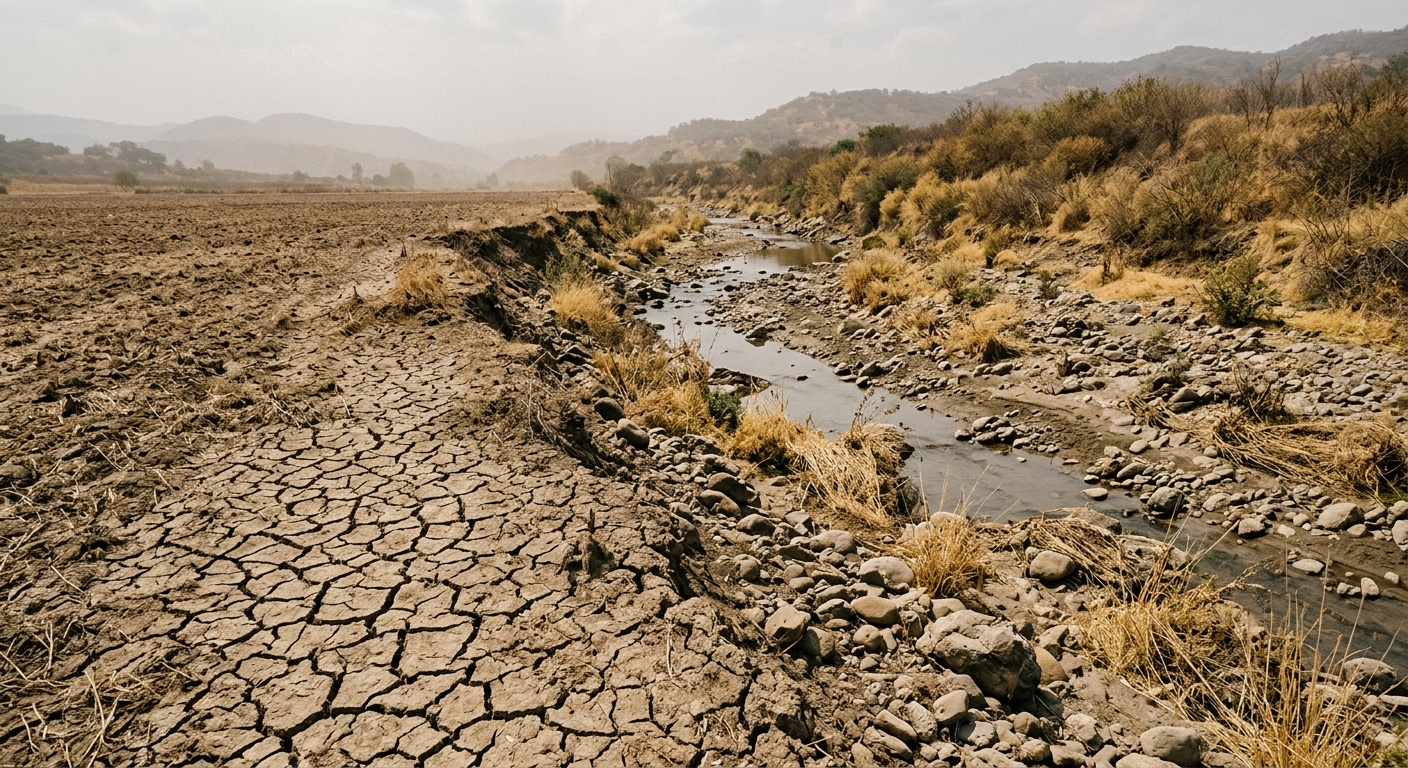
RICHMOND, Va. — Persistent Virginia drought conditions are reshaping daily life across the state, with the James River basin and other major waterways running low and communities bracing for further restrictions as water supplies come under strain.
Precipitation Deficit Deepens Statewide Concerns
Despite some recent rainfall, Virginia’s ongoing precipitation deficit has officials alarmed. For the current water year, the state remains 8.5 inches below normal, contributing to what experts describe as a historic severe drought. At present, 78% of Virginia falls within severe or extreme drought categories, placing increased pressure on natural resources and local communities.
Water Supplies Closely Monitored Across the Region
Key municipalities, including Metro Richmond and several surrounding counties, are carefully tracking water levels. State and local governments have begun advancing advisories, urging residents to participate in water conservation efforts before mandatory restrictions become widespread. Already, mandatory water restrictions have rolled out in 29 community water systems, primarily to curb outdoor water use and protect potable water access. Ongoing water supply monitoring remains a priority for local utility departments in the face of mounting demand and below-average river flows within the James River basin.
Community Actions and Conservation Urged
Residents throughout Virginia are encouraged to adopt daily practices such as shorter showers, fixing leaks, and limiting garden watering. Officials stress that voluntary participation could help avert more severe measures if the drought continues. Outreach seminars hosted by environmental groups and local agencies are expanding public awareness around water conservation as well as sustainable landscape practices, like using mulch to enhance soil moisture.
Agricultural Sector Suffering Amid Drought Emergency
The state’s longstanding agricultural heritage faces acute challenges. Agriculture impact is evident: crop yields are declining, hay reserves are running low, and farmers are experiencing substantial economic stress. The precipitation deficit has also affected pasture health, leading to thinner livestock feed resources. To address the crisis, organizations and extension programs are highlighting drought-resilient techniques, including drip irrigation and companion planting, which can make farming systems more robust.
Relief Efforts and Federal Aid for Farmers
Farmers across the region continue to seek additional support. While farmers drought relief programs, emergency drought emergency declarations, and federal assistance are providing important resources, many in the agricultural community believe more help is necessary. Field demonstrations and workshops are being organized to assist with both immediate risk management and long-term preparedness in the face of continuing dry weather.
Looking Ahead: Summer Brings Increased Risk
The Virginia Drought Monitoring Task Force and state officials have reiterated the importance of conservation as higher temperatures loom. With hot summer conditions likely to increase water demand and evaporative losses, local leaders emphasize that conscious use of water now will help to sustain both municipal supplies and agricultural operations through the most challenging months. The coming weeks will be critical as communities, businesses, and farmers across Virginia rally to overcome the current drought and safeguard the region’s future water security.