- calendar_today August 14, 2026
Roanoke, Virginia – A red shouldered hawk, celebrated for its piercing calls and striking plumage, has regained its freedom following a successful recovery at the Southwest Virginia Wildlife Center. The event marks a noteworthy milestone for local wildlife conservation and avian rehabilitation efforts in the region.
Injured Hawk Admitted to Local Wildlife Center
The red shouldered hawk, discovered injured and suffering from a severe fly infestation in Grayson County, was brought to the Southwest Virginia Wildlife Center in late May. The center, renowned for its expertise in hawk rehabilitation and the care of native birds of prey, quickly moved to treat the fledgling. This case underscores the critical role that regional wildlife centers play in preserving Virginia’s rich natural heritage.
Care and Rehabilitation Process in Roanoke
After its admission on May 29, the young hawk underwent an intensive two-month regimen of avian rehabilitation. Staff and volunteers addressed both the bird’s injuries and its parasitic infestation, providing comprehensive medical attention and nutrition. According to the wildlife center, the hawk gradually regained strength and exhibited natural behaviors vital for survival among forest hawks.
Return to the Wild: Morningside Park Release
On August 7, the rehabilitated hawk was released at Roanoke’s Morningside Park—an urban green space that provides suitable habitat for forest-dwelling hawks of this species. The hawk release was a moment not only of relief for the young raptor but also a testament to the resilience of avian wildlife with proper care and conservation. Observers noted the hawk’s immediate adaptation to its surroundings and strong flight—a promising sign for its future in the wild.
Distinguishing Traits of the Red Shouldered Hawk
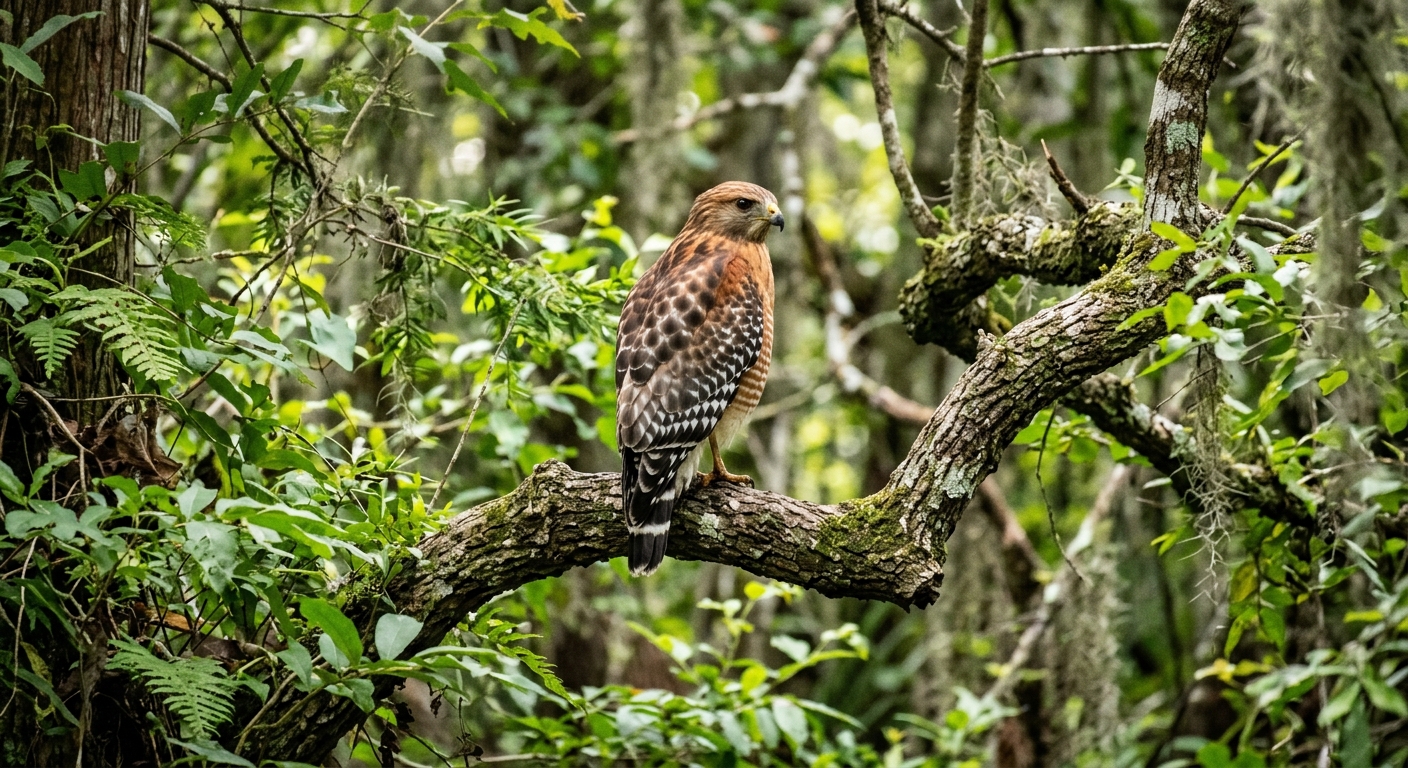
The red shouldered hawk is recognized by bird enthusiasts and suburban residents alike for its unique appearance: bold black-and-white checkered wings, a distinct banded tail, and namesake reddish shoulder feathers. Their loud, often repeated calls can be heard through Virginia’s wooded wetlands and along rivers, where these birds tend to nest and hunt. Unlike some raptors that prefer open country, these birds of prey thrive in heavily forested areas, though suburban hawks have adapted to nest on the edge of neighborhoods and even hunt near backyard feeders.
Habitat, Behavior, and Local Adaptation
These monogamous raptors display remarkable fidelity to their territories, frequently returning each year to the same nesting sites. Hawk nesting typically occurs in mature forests, with both parents actively raising the young. Their varied diet includes small mammals, amphibians, and occasionally crayfish—evidence of their adaptability to the region’s diverse landscapes. In areas like Virginia, they have been observed making use of suburban woodlands and urban parks, an encouraging sign of the species’ resilience.
Role of Wildlife Conservation and Community Awareness
The hawk’s recovery highlights broader wildlife conservation efforts directed by organizations such as the Southwest Virginia Wildlife Center. Public education about the importance of protecting habitats and supporting rescue centers aids in the survival of birds of prey and many other native species. When local residents recognize the distinctive calls of red shouldered hawks, it signifies a healthy, functioning ecosystem in communities throughout Virginia.
A Commitment to Local Ecology
Instances like this successful hawk rehabilitation demonstrate the tangible benefits of regional conservation programs. Not only is wildlife protected, but the health of forests, rivers, and even suburban neighborhoods improves when native species like the red shouldered hawk thrive. Ongoing support for avian rehabilitation and responsible stewardship ensures that future generations in Virginia can continue to enjoy encounters with these remarkable woodland birds.