- calendar_today August 16, 2026
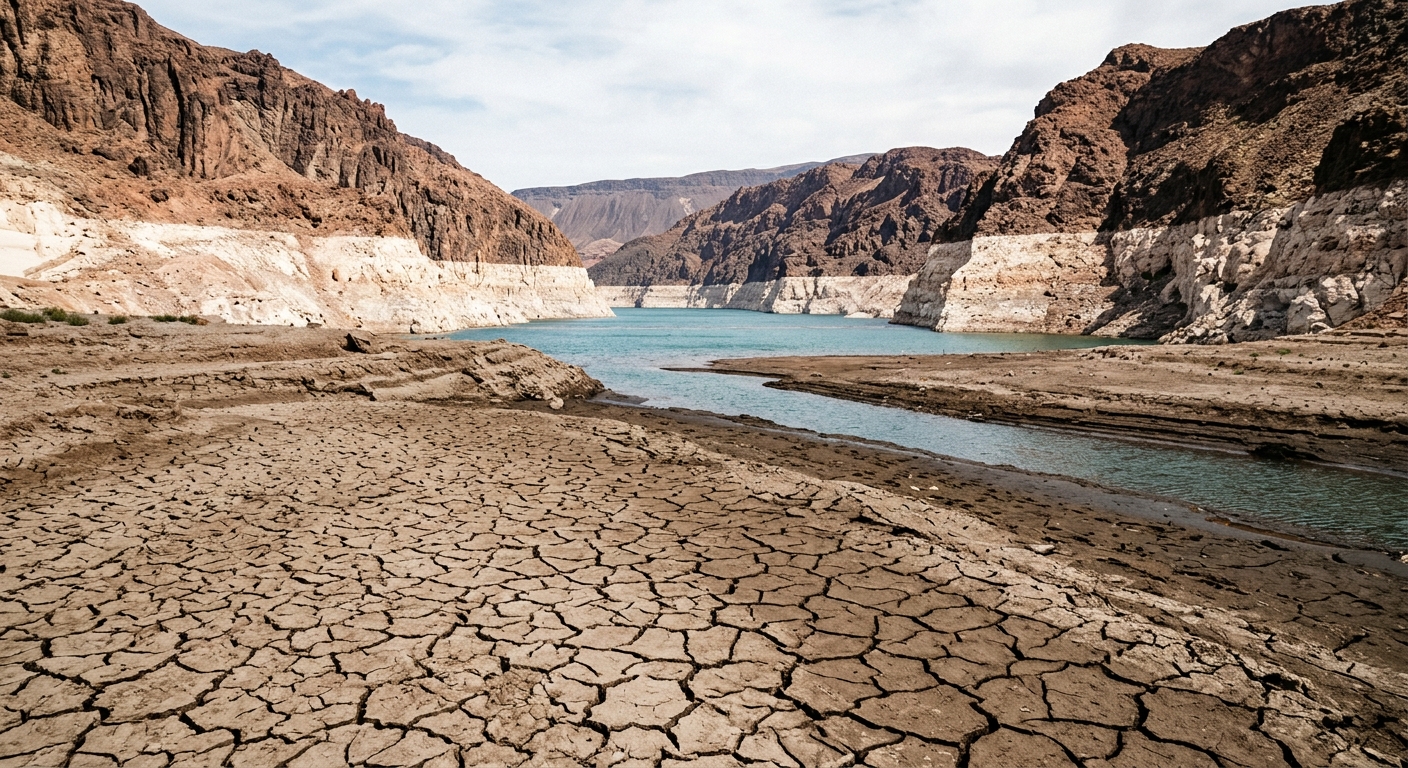
Lake Powell, a vital resource for western water and energy infrastructure, has reached its lowest water level on record, amplifying concerns that stretch far beyond its immediate surroundings and are being closely watched in Virginia. The reservoir’s recent measurement at 3519.91 feet—just 30 feet above the cutoff for hydropower generation—highlights the gravity of the situation as the Colorado River basin endures a mounting drought crisis.
Critical Water Resource for the Southwest
Lake Powell, formed by the Glen Canyon Dam, is the second-largest reservoir in the United States. Alongside Lake Mead, these two bodies of water store approximately 60% of the Colorado River basin’s water supply. Both have been shrinking steadily for over 20 years, their decline attributed to persistent drought and rising temperatures caused by climate change.
Impact on Hydropower Generation
Hydropower generation is a key function of Lake Powell, supplying electricity to millions across seven Western states. If current water levels drop below 3490 feet, the facility risks halting power production entirely. This scenario threatens not just energy infrastructure but also water allocations in communities reliant on the reservoir, including cities and rural areas similar in scale to those in Virginia.
Factors Behind Declining Water Levels
Experts point to several factors driving the reservoir’s decline. These include prolonged drought conditions compounded by climate change, increased water demand from population growth, and reduced snowpack runoff feeding the Colorado River system. The insufficient runoff has limited the replenishment of both Lake Powell and Lake Mead, worsening the southwest water crisis.
Community and Regional Implications
While major urban centers now benefit from contingency planning that helps ward off immediate water shortages, smaller communities and Indigenous Tribes remain vulnerable to supply fluctuations. These vulnerabilities are familiar to water planners in Virginia, where local authorities are mindful of regional water management challenges and the increasing need for infrastructure resilience in changing climate conditions.
Urgency for Adaptive Water Management
Federal agencies and water authorities are considering significant reductions in water usage across the basin to stem the crisis, an approach that underscores the urgency for improved water management strategies nationwide. Even if the region experiences a wet winter, experts caution that it will not be enough to restore the reservoirs to healthy levels or alleviate the systemic issues facing the Colorado River.
Outlook and Regional Lessons
The situation at Lake Powell serves as a warning for regions like Virginia, emphasizing the long-term implications of over-allocated water resources and climate change. As southwest water supply turmoil grows, the lessons from Lake Powell’s diminishing status encourage local governments, both in the West and across states like Virginia, to strengthen sustainable practices and invest in robust climate adaptation strategies.