- calendar_today August 10, 2025
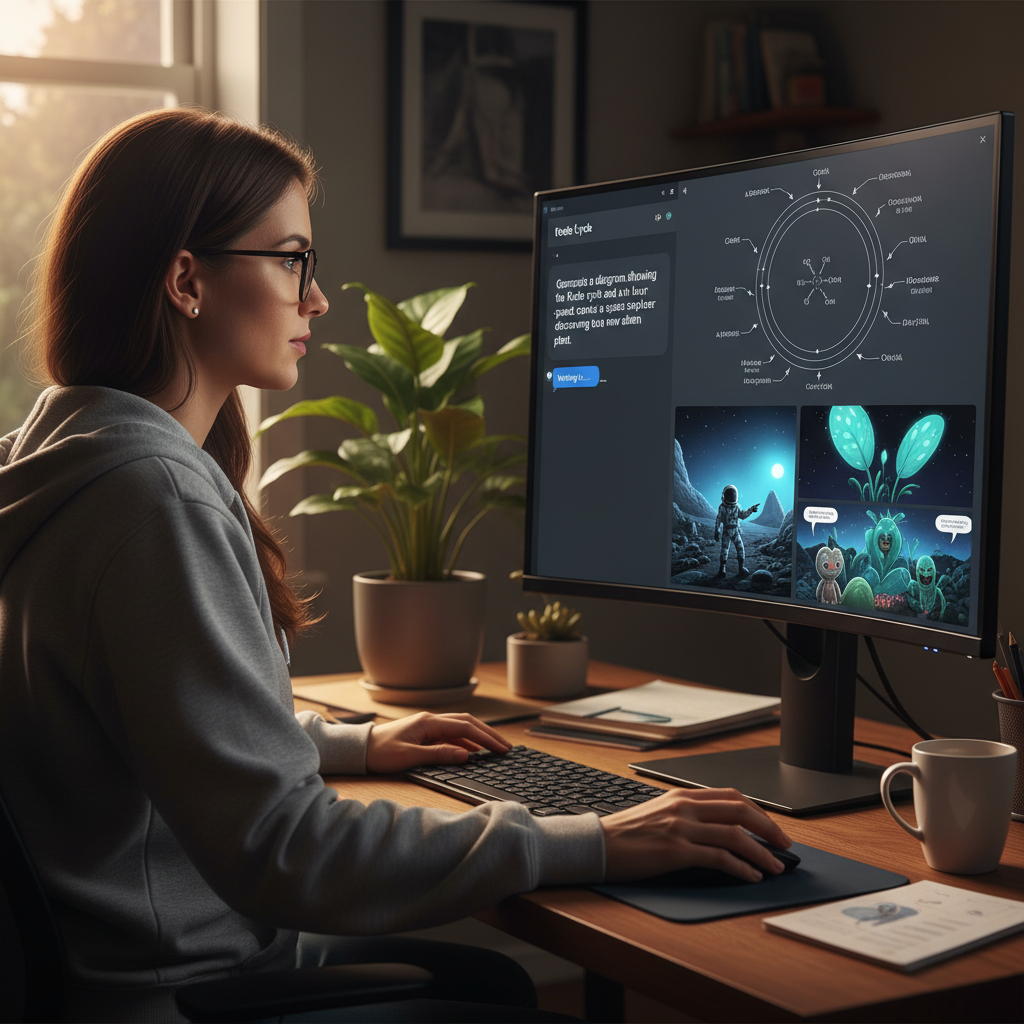
The official release of OpenAI’s new “Images in ChatGPT” feature enables direct image generation integration into the ChatGPT platform. The introduction of the GPT-4o model enables users to generate images through their conversational interactions, which represents a major milestone in AI-powered content creation.
The latest feature for image generation has been released across all ChatGPT subscription levels, such as Plus, Pro, Team, and the free edition, to expand user access to advanced image creation tools. According to OpenAI spokesperson Taya Christianson, free tier users face usage constraints similar to DALL-E 3, with a daily limit of three images, which may change depending on demand. Enthusiasts of DALL-E will retain access to a specially designed custom GPT.
OpenAI’s research lead Gabriel Goh described GPT-4o as a transformative “omnimodal” model with capabilities to process various data forms like text, images, audio, and video. The model now features improved binding functionality, which resolves a longstanding issue in creating AI-generated images. GPT-4o demonstrates reliable management of 15 to 20 objects while avoiding confusion between their colors and shapes, which previous models struggled with.
The system now offers improved text rendering, which stands out as its most significant advancement. AI-generated images have historically exhibited problems with distorted and nonsensical text representations. Goh explained that developing the system required a lengthy iterative process that took months to perfect. The team has developed consistent text rendering quality that makes text in images usable despite the ongoing challenge of perfect rendering of small text.
Our system architecture breaks away from typical diffusion models used in image generation by opting for an autoregressive mechanism. Their image generation method creates visuals from left to right and top to bottom in a manner similar to text generation, which might enhance text rendering and binding abilities.
OpenAI displayed the system’s range of capabilities during an event that featured precise scientific diagram creation like Newton’s prism experiment, and accurate multi-panel comic generation with consistent characters and dialogue, as well as informational poster design with precise text. The demonstration included practical uses of the system for creating transparent background visuals for stickers, along with restaurant menus and logos.
The multimodal product lead of ChatGPT, Jackie Shannon, pointed out the system’s capability to utilize world knowledge. Her artwork emerges from her personal skill boundaries yet benefits from her accumulated world knowledge. The system utilizes world knowledge to provide images so users can request images like Newton’s prism experiment without needing to describe the subject.
OpenAI claims that the improved image quality and advanced features make the longer generation time worthwhile. Shannon explained that despite needing to enhance latency, we know that the superior image quality combined with advanced capabilities and extensive world knowledge compensates for the extra waiting time.
Key Insights: Safeguards, User Ownership, and Technological Advancements
In response to potential misuse issues, OpenAI highlighted its implementation of strong protective measures. The system has security measures that block watermark removal while simultaneously preventing sexual deepfake generation and refusing CSAM requests. Generated images by OpenAI will carry C2PA metadata, which identifies them as OpenAI products despite lacking visual watermarks. The company possesses internal verification tools to authenticate images.
Shannon explained that although every system has its flaws, for this application, we keep improving our protective measures and consider this the beginning. Users who generate images from ChatGPT have ownership rights over these creations, which they can use according to our usage policies at their discretion.
Image generation capabilities combined with ChatGPT mark a substantial breakthrough in artificial intelligence creativity. OpenAI shows its dedication to providing a strong yet accountable application through enhanced binding features and top-tier text rendering, along with sturdy safeguards. The company’s innovative image generation technique emerges by adopting an autoregressive methodology, which stands apart from traditional diffusion models. The priority given to user ownership and metadata integration demonstrates the importance of upholding transparency and ethical practices within the growing field of AI-generated content. OpenAI is expanding ChatGPT’s capabilities while simultaneously establishing groundbreaking standards for user-friendly and robust AI image generation.