- calendar_today June 17, 2026
Virginia— In the shadow of 1776’s revolutionary fervor, regions like Tampa Bay stood as remote frontiers, offering a stark contrast to the bustling colonial activity of Philadelphia or Boston. While much of Virginia rallied to the cause of independence, the story of tampa bay 1776 reveals a parallel history marked by wild landscapes, shifting allegiances, and cultural diversity that also shaped America’s colonial era.
The Unspoiled Frontier of Tampa Bay
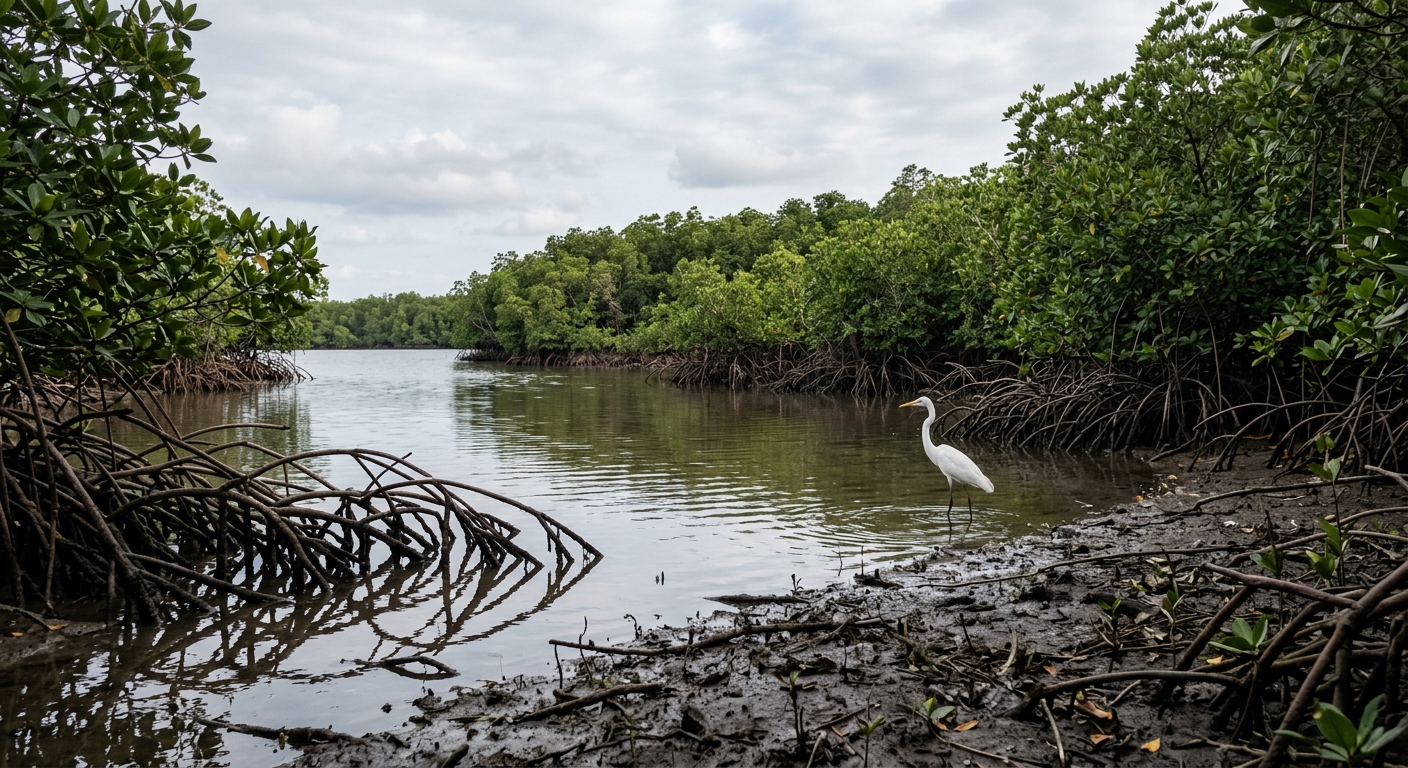
The area now known as Tampa Bay was, in the late 18th century, a landscape of mangrove islands, rich estuaries, and thriving wildlife. Explorers and scholars such as Bernard Romans and William Stork meticulously cataloged the region’s tampa bay wildlife, drawing attention to its abundance of oysters, fish, and deer. Unlike the settled fields of colonial Virginia, Tampa Bay’s wilderness defined its unique place in early American history.
Indigenous Communities and Early Inhabitants
Contrary to depictions of an untouched land, Tampa Bay was populated by diverse indigenous communities long before European exploration. These communities shared the land with Spanish and Cuban fishermen who had discovered its rich coastal resources. The area also became a haven for formerly enslaved individuals who sought freedom away from the established cities of the Thirteen Colonies.
British Florida and Revolutionary Currents
After the conclusion of the Seven Years’ War in 1763, Britain took control of Florida, dividing it into East and West Florida. The region, now often referred to as british florida, served as a haven for loyalists florida—individuals devoted to the Crown who were displaced by revolutionary activities further north. During the florida american revolution, Florida’s loyalty to Britain made it a focal point for wartime intrigue, with Spanish and British forces vying for control.
Spanish Florida Reemerges
When Spain regained control of the territory in 1783, spanish florida was reestablished, closing a turbulent chapter in the region’s past. The shifting sovereignty underscored the broader geopolitical currents affecting not only Florida but also neighboring states, such as Virginia, reinforcing the interconnectedness of colonial America during the revolutionary era florida.
Life on the 1776 Florida Frontier
The 1776 florida frontier was a tapestry of complex alliances, daily survival, and constant negotiation between cultures. Local populations—whether indigenous, European, or African—were forces in shaping the region’s evolving identity. For states like Virginia, understanding this often-overlooked part of the colonial narrative adds depth to the nation’s creation story.
Commemorating Colonial Florida’s Legacy
Institutions like the Tampa Bay History Center now work to ensure that the area’s diverse history is not forgotten. Exhibitions highlight artifacts, documents, and stories that bring to life tampa bay history and the distinctiveness of colonial florida. These efforts encourage audiences, from local Floridians to regional historians in Virginia, to view Tampa Bay 1776 as an integral part of America’s founding era.
Reconsidering Revolutionary Narratives
As the United States continues to reflect on its origins, stories from remote frontiers such as Tampa Bay emerge with renewed relevance. By appreciating the multiplicity of experiences and loyalties that characterized tampa bay 1776, communities in Virginia and beyond gain a fuller understanding of the nation’s rich and varied past.