- calendar_today July 28, 2026
Residents across Virginia have until Tuesday to submit feedback on the environmental impacts of Project Skye wetlands, an expansive initiative proposed by Google that would transform hundreds of acres near Chesterfield County. The project, centered on a new google data center campus, stands to permanently reshape local wetland areas, streams, and the surrounding ecosystem, drawing significant attention from communities and environmental groups alike.
Major Development Proposed in Chesterfield County
Project Skye, located on an 880-acre parcel just south of Genito Road and near Mosley Road, outlines the construction of four large data centers. Alongside these buildings, the plan includes substations, new roadways, parking facilities, and critical utility infrastructure to support operations. The development underscores the region’s growing appeal as a technology hub and brings the potential for job creation and regional investment.
Wetland and Stream Impact Details
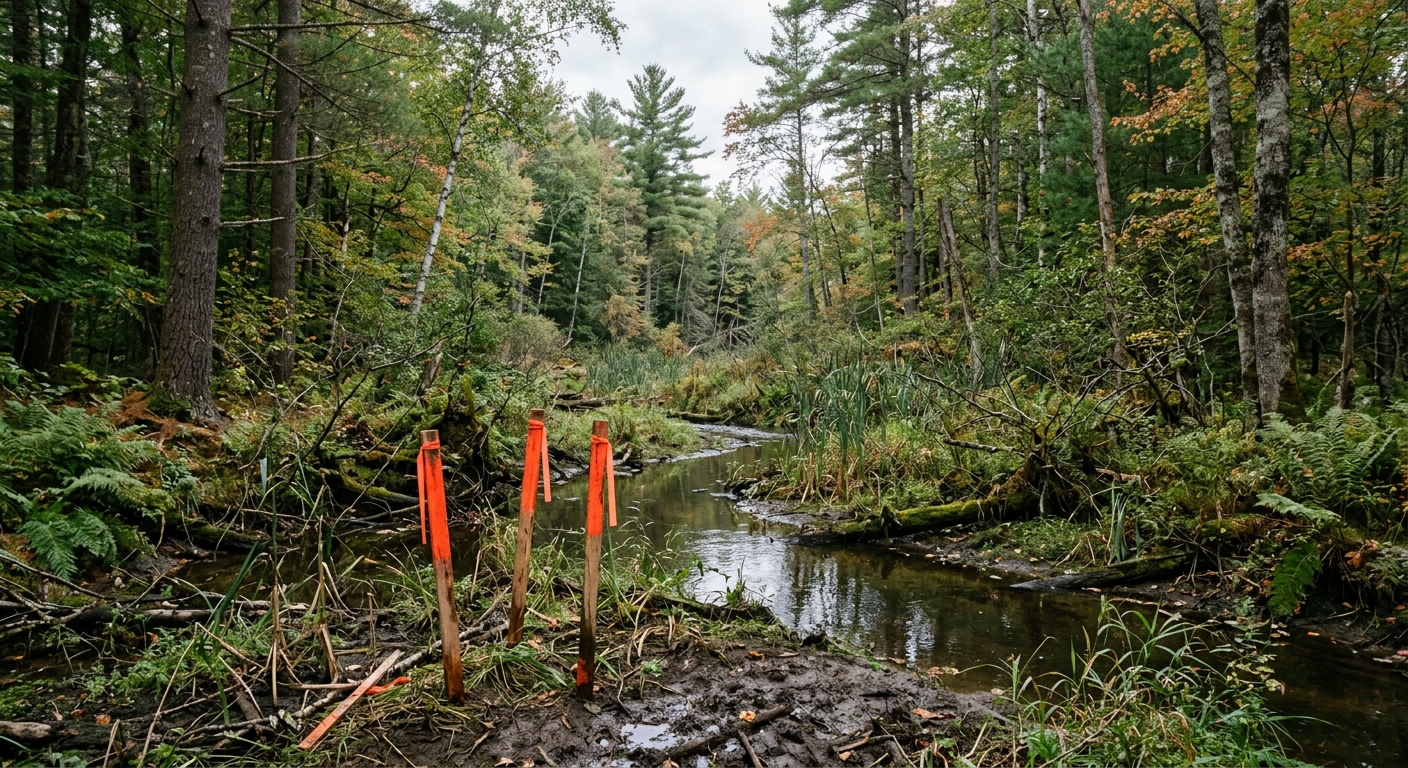
However, one of the most pressing concerns revolves around wetland impact. Approximately 17.99 acres of palustrine forested wetlands would be permanently lost as a result of the project, with another 7.23 acres expected to be converted to a less ecologically valuable wetland type. In addition, more than 8,000 feet of stream channels—many linked to the deep creek tributary, a significant waterway feeding into the James River—are at risk of permanent alteration. During construction, 125 feet of stream channel are slated for temporary disturbance. The cumulative effect of these changes is of heightened interest given the region’s connection to the chesapeake bay and broader watershed health.
Mitigation Measures and Oversight
To address these environmental impacts, Google’s development plan features multiple environmental mitigation strategies. Chief among them is the company’s commitment to acquire wetland and stream restoration credits from officially approved mitigation banks. The use of such credits is designed to offset permanent losses to sensitive habitats. The proposal also incorporates targeted stormwater management through strategically placed basins, aiming to reduce erosion and control runoff into critical waterways. In addition, efforts to minimize disturbance include crossing stream channels perpendicular to their flow, which can help limit construction-related damage.
Army Corps of Engineers to Evaluate Strategies
The army corps of engineers will ultimately determine whether Google’s proposed measures are sufficient to compensate for the anticipated losses. Their review process is guided by both federal environmental standards and regional concerns, ensuring that all aspects of stream channel mitigation are considered. Local stakeholders, including conservation groups and residents, have underscored the need for significant protections given the proximity to vital waterways and ecologically valuable palustrine forested wetlands.
Community Participation and the Public Comment Deadline
The project’s approval process places strong emphasis on public involvement. The public comment deadline, set for Tuesday, allows Virginia residents to submit perspectives directly to decision-makers. This is seen as a crucial forum for shaping how the project balances technological progress with protection of local natural resources, especially near communities dependent on a healthy watershed and the chesapeake bay ecosystem. Residents can participate by submitting comments online, joining a growing regional dialogue about responsible growth and ecosystem resilience.
Regional Significance and Long-Term Outlook
As the U.S. Army Corps of Engineers weighs regional input and Google’s environmental mitigation proposals, the outcome of Project Skye wetlands will set a precedent for future development within Virginia. With public awareness heightened by the proposed loss of wetlands and transformation of the deep creek tributary’s landscape, the decision carries broad implications for both economic development and natural resource stewardship across the region.