- calendar_today June 9, 2026
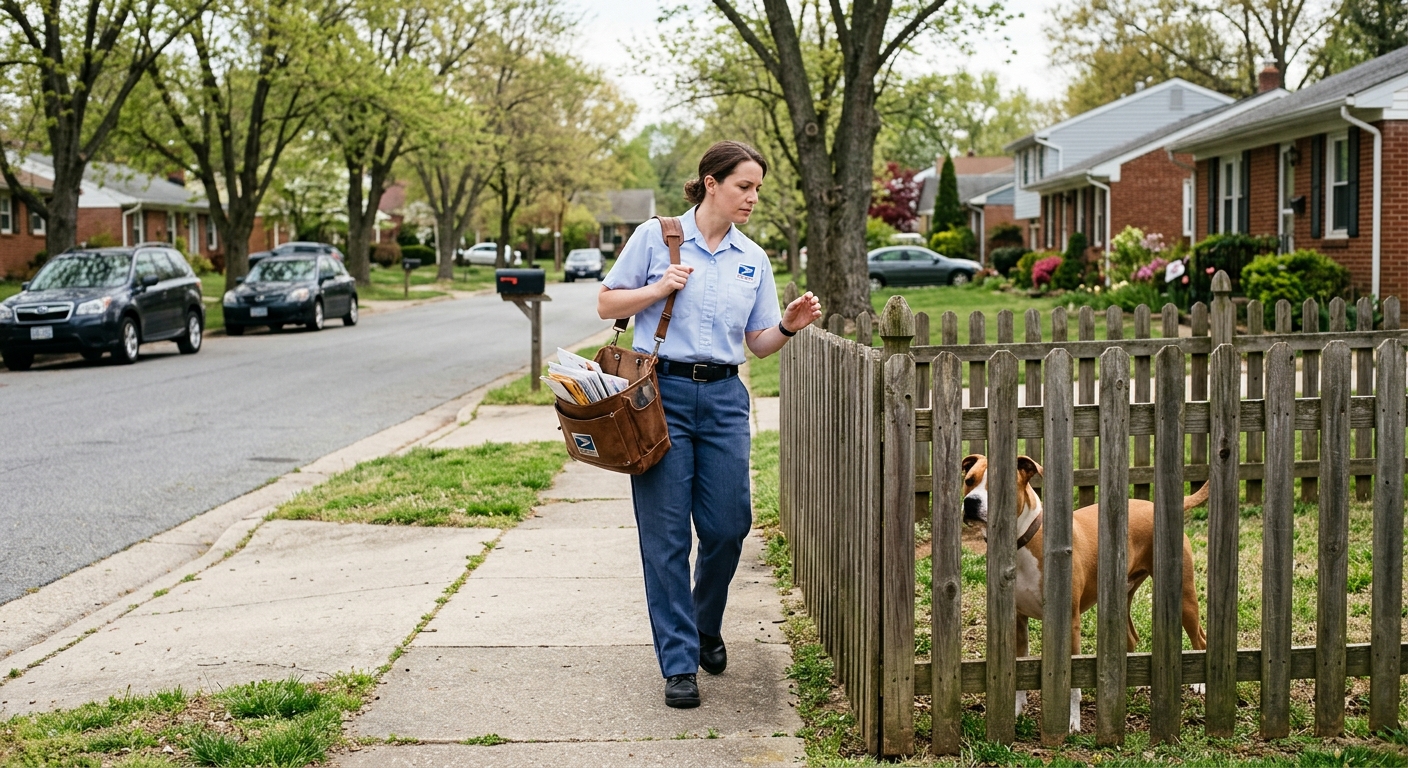
Richmond, Virginia, has emerged as the leading city in the state for dog bite attacks targeting United States Postal Service (USPS) carriers, according to newly released data for 2025. With 10 documented cases this year, an uptick from seven reported in 2024, the city has surpassed its counterparts despite an overall decline in incidents statewide. These findings highlight persistent risks faced by postal workers in the region and underscore the importance of sustained safety efforts.
USPS Campaign Focuses on Dog Bite Prevention
To address ongoing concerns, USPS has launched a comprehensive, month-long dog bite prevention campaign throughout June. This initiative aims to raise public awareness about the challenges faced by USPS carriers and promote collaboration between postal employees and communities in Virginia. The campaign primarily focuses on helping residents understand their responsibilities as dog owners and encourages adopted best practices to protect mail carriers as they serve neighborhoods in Richmond and beyond.
Rising Dog Attacks in Richmond Despite Statewide Decrease
While Virginia has experienced a decline in total dog bite incidents—from 157 in 2024 to 126 in 2025—Richmond stands out as a notable exception, overtaking other cities such as Norfolk and Alexandria. This localized spike suggests region-specific factors influencing the prevalence of dog attacks in Virginia’s capital. The surge in Richmond dog bites has prompted officials to reinforce safety protocols and engage residents on the importance of proactive measures.
Animal Behavior and the Need for Vigilance
Leeann Theriault, USPS employee safety manager, emphasizes that animal behavior can change without warning, putting postal workers in unpredictable situations. “Even the most familiar pets can suddenly exhibit defensive or aggressive responses when mail is delivered,” Theriault noted, highlighting why situational awareness and caution are essential for both employees and community members alike. These insights are guiding current safety education efforts during the month-long awareness campaign.
Mail Carrier Safety: Lessons from the Field
First-hand experiences have informed many of the USPS’s safety advisories. Sherrod Lewis, a postal worker in Richmond who previously sustained a bite while on duty, encourages colleagues to remain highly vigilant, particularly when wearing USPS uniforms. “Some dogs react more intensely to uniforms and delivery bags,” Lewis explained, emphasizing that anticipation and alertness are key to mail carrier safety in high-risk environments.
Dog Owner Advice: Steps to Protect Mail Carriers
To minimize the risk of injury, USPS is urging dog owners to follow clear guidelines. Recommendations include keeping pets inside a separate room during mail deliveries, ensuring all doors and gates are secure, and making use of leashes during outdoor time. Additionally, they suggest avoiding accepting mail while a dog is nearby, as this can be perceived as a threat and prompt unwanted reactions. Adhering to this dog owner advice can make a tangible difference in reducing postal worker safety concerns across Virginia communities.
Building Dog Bite Awareness Across Virginia
The ongoing dog bite awareness campaign is shining a light on the collective role residents and workers play in prevention. Shared vigilance is critical, according to USPS officials, particularly in areas such as Richmond where the risks are statistically higher. By reinforcing safe habits and encouraging neighbors to look out for one another, local communities across Virginia are working toward a safer environment for everyone involved in daily mail service.
Looking Forward: Shared Responsibility for Safer Communities
As dog bite attacks on mail carriers remain an important issue in the region, collaborative efforts between residents, local leaders, and postal service staff are vital. The USPS campaign serves as a reminder that robust communication and awareness can help reduce incidents, not only in Richmond but throughout Virginia. Ongoing attention to best practices in dog bite prevention will ensure progress toward safer conditions for all.