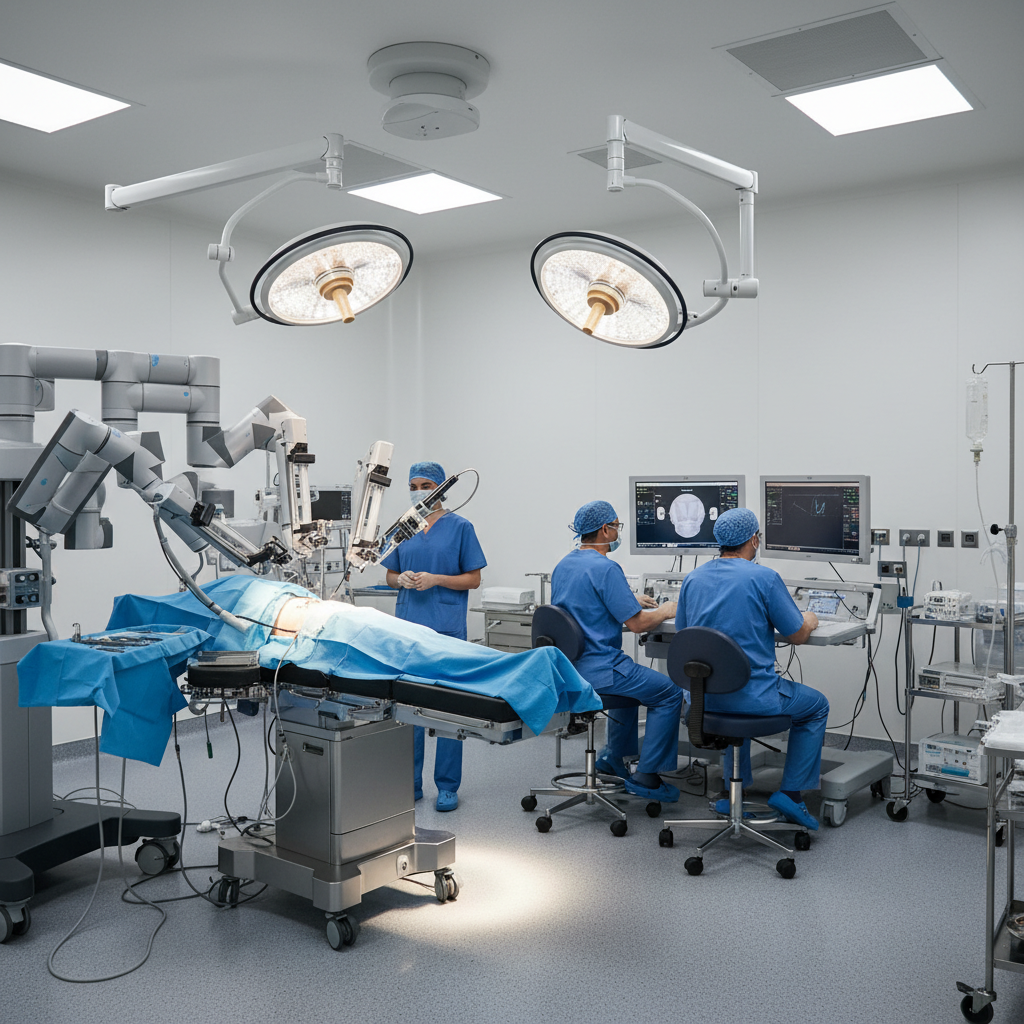
AI-generated illustration; not a photograph of the reported event.
- calendar_today May 18, 2026
VIRGINIA — A landmark medical malpractice case in Virginia has culminated in a $2.05 million settlement paid to the estate of a 68-year-old man who died after complications from a robotic-assisted sleeve gastrectomy. The case has drawn attention across regional healthcare circles due to both the advanced technology involved and the tragic outcome that highlighted ongoing concerns about patient safety.
Fatal Complications After Robotic-Assisted Surgery
The patient underwent a robotic-assisted sleeve gastrectomy in 2023 in a Virginia hospital, an increasingly common procedure as healthcare systems adopt minimally invasive approaches for weight loss. However, what began as a standard operation quickly escalated after the surgeon caused injuries to the small bowel and the retroperitoneum. The resulting intra-abdominal bleeding, estimated at nearly 2.5 liters, led to a swift conversion from robotic to open exploratory surgery to identify and control the source of the bleeding and attempt to repair the bowel injury.
Surgical Error and Immediate Aftermath
According to medical records cited in the medical malpractice lawsuit, the patient suffered massive blood loss requiring urgent intervention. Despite surgical efforts, the man developed hypovolemic shock, a rapid and dangerous loss of blood volume. He was rapidly transferred from the original operating facility to the intensive care unit of another Virginia hospital, a move critical for addressing such severe sleeve gastrectomy complications.
Complex Emergency Interventions Unable to Save Patient
Further imaging revealed ongoing hemorrhaging from the patient’s superior mesenteric artery and veins. A team of specialists performed emergency embolization to block the bleeding vessels, followed by placement of a stent in an effort to restore hemodynamic stability. Yet the patient’s condition continued to deteriorate, and despite all surgical and interventional measures, he ultimately died from the extensive complications just days after the initial procedure.
Wrongful Death Settlement Reflects Severe Surgical Negligence
In the ensuing legal proceedings, the decedent’s family filed a wrongful death settlement claim, asserting that surgical negligence led directly to his death. The case examined whether the surgeon’s handling of the robotic-assisted procedure met the accepted standard of care and probed institutional safeguards surrounding high-risk surgeries. Ultimately, the court approved a combined medical malpractice settlement of $2.05 million. Of this, $950,000 was paid by the general surgeon, with $1.1 million coming from the surgeon’s former employer.
Spotlight on Robotic-Assisted Surgery Risks in Virginia
While robotic-assisted technologies have revolutionized modern surgical practice across Virginia and beyond, this case underscores that such procedures still carry the risk of rare but catastrophic errors—including surgical error and severe intra-abdominal bleeding. Healthcare institutions are expected to exercise heightened vigilance and provide ongoing training to reduce the risks associated with ever-evolving surgical platforms.
Learning from Tragedy: Calls for Patient Safety Improvements
This Virginia case adds urgency to discussions about guidelines for robotic-assisted surgery and the prompt recognition of complications, such as hypovolemic shock and uncontrolled bleeding. Surgical teams are encouraged to maintain sharp awareness for the immediate management of unexpected events, ensuring rapid escalation and multidisciplinary intervention when necessary. Local advocacy groups and professional medical boards in Virginia stress that timely intervention remains critical in managing complications during complex procedures.
Implications for Medical Malpractice Lawsuits Statewide
The substantial settlement reached in this medical malpractice lawsuit signals to both medical practitioners and families in Virginia the serious legal consequences of surgical negligence. It also sets crucial precedents for future cases involving advanced surgical technologies and wrongful death settlements. Regional hospitals and clinics are expected to review their protocols and restore community confidence in local healthcare after this high-profile outcome.