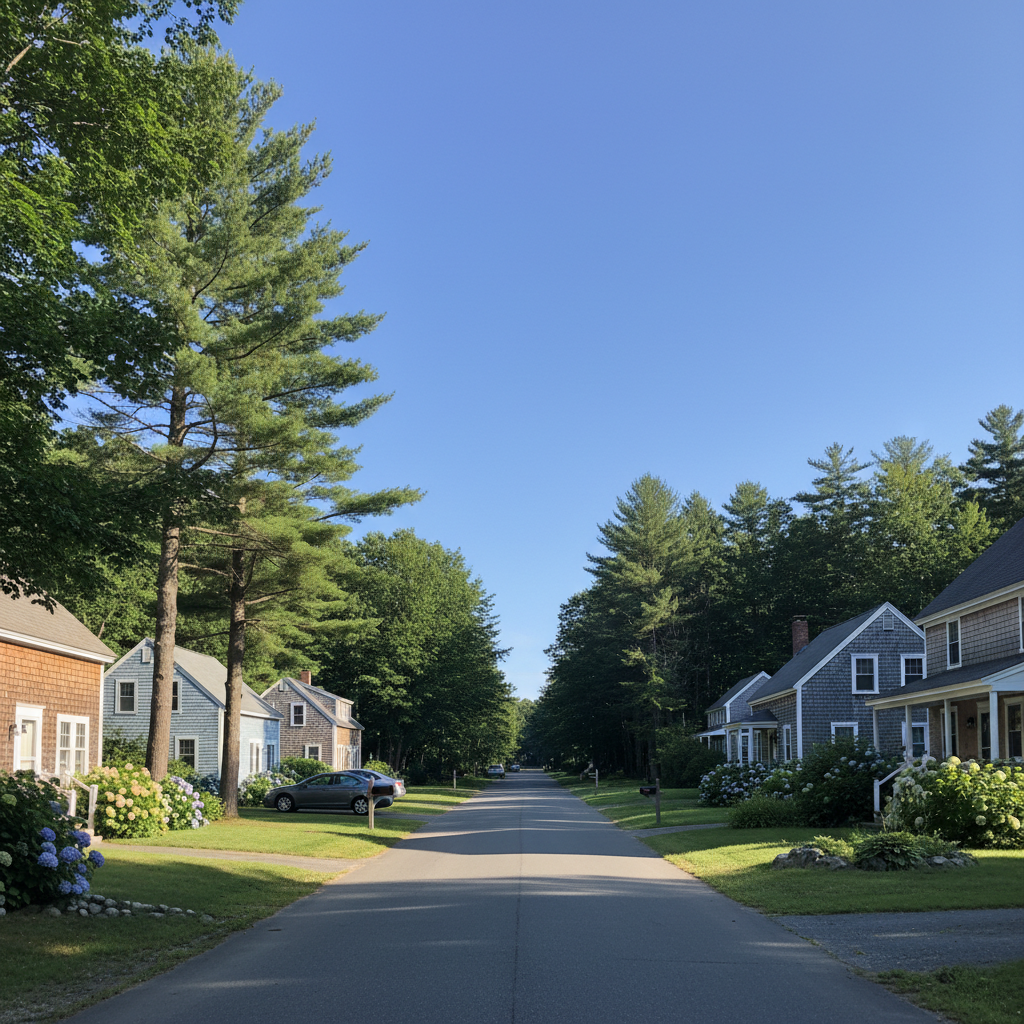
AI-generated illustration; not a photograph of the reported event.
- calendar_today April 22, 2026
Across Virginia, concerns over clean air have become increasingly prominent as air quality issues make national headlines. However, Bangor, Maine has emerged as a model for what effective air management can achieve, earning the distinction as the only city to land on all three of the American Lung Association’s cleanest cities lists—a notable feat as communities nationwide seek solutions to persistent pollution challenges.
Nationwide Air Quality Challenges
Nearly half of Americans reside in areas plagued by unhealthy air, with particle pollution and ozone pollution standing out as major obstacles. These pollutants not only impact daily comfort but are strongly linked to an increased risk of respiratory and cardiovascular ailments, premature death, and chronic diseases. A closer examination of air pollution health impacts highlights the urgency for regions like Virginia to enhance local initiatives aimed at addressing air quality.
Bangor’s Standout Performance
Bangor, Maine’s success is attributed to several core factors: a favorable climate, expansive forested areas, a relatively small population, and its notable distance from heavy industry and significant traffic corridors. These conditions have resulted in zero days of unhealthy ozone or particle pollution, setting Bangor apart from other cities wrestling with frequent spikes in contamination.
Understanding Cleanest Cities Rankings
The American Lung Association’s annual cleanest cities rankings spotlight areas excelling in air quality. Bangor’s place atop these lists demonstrates the viability of regional strategies that could benefit states like Virginia, especially as public health concerns mount. Local leaders may look to Bangor, Maine as they search for proven methods to reduce both ozone pollution and particulate matter exposure.
The Health Impact of Pollution
Particle pollution, also known as particulate matter, contributes to myriad health issues, especially for vulnerable groups including children, the elderly, and those with existing conditions. The burden of poor air quality often falls disproportionately on communities of color, elevating the conversation around environmental justice not just in New England, but for every state. A commitment to air quality improvement can reduce inequities and promote better outcomes for entire populations, including those in Virginia’s urban and rural areas.
Regulatory and Climate Threats
While Bangor’s clean air shows what’s possible, experts warn that recent rollbacks in environmental regulations and the uneven effects of climate change threaten many communities’ progress nationwide. Tightening standards and proactive policy development are viewed as essential for maintaining air quality—not just in exemplary cities, but throughout regions facing increasing climate risks and industrial pressures.
Policy Initiatives for Air Quality Improvement
Policy decisions play a crucial role in air pollution mitigation. Stronger environmental regulations can drive significant advances in air quality, while investments in clean technologies, green infrastructure, and community monitoring promote transparency and accountability. For communities across Virginia, adopting and enforcing robust standards will be key to reversing adverse trends and maintaining healthier air in the future.
Bangor as a Beacon for the Region
Bangor, Maine’s achievement is not just a local triumph, but a signal that effective air quality management yields tangible benefits—drawing new residents and serving as a blueprint for similar-sized cities and towns. Virginia stakeholders, from municipal leaders to public health advocates, may find valuable inspiration in Bangor’s approach to cultivating a consistently healthy environment.
Looking Ahead for Virginia
As the landscape evolves in response to shifting regulations and ongoing climate change, the focus on clean air and public health will likely intensify. Communities striving to be recognized among the nation’s cleanest cities can look to Bangor’s example for strategies and commitment needed to achieve real air quality improvement, offering hope for healthier futures in the face of national challenges.