
- calendar_today September 2, 2025
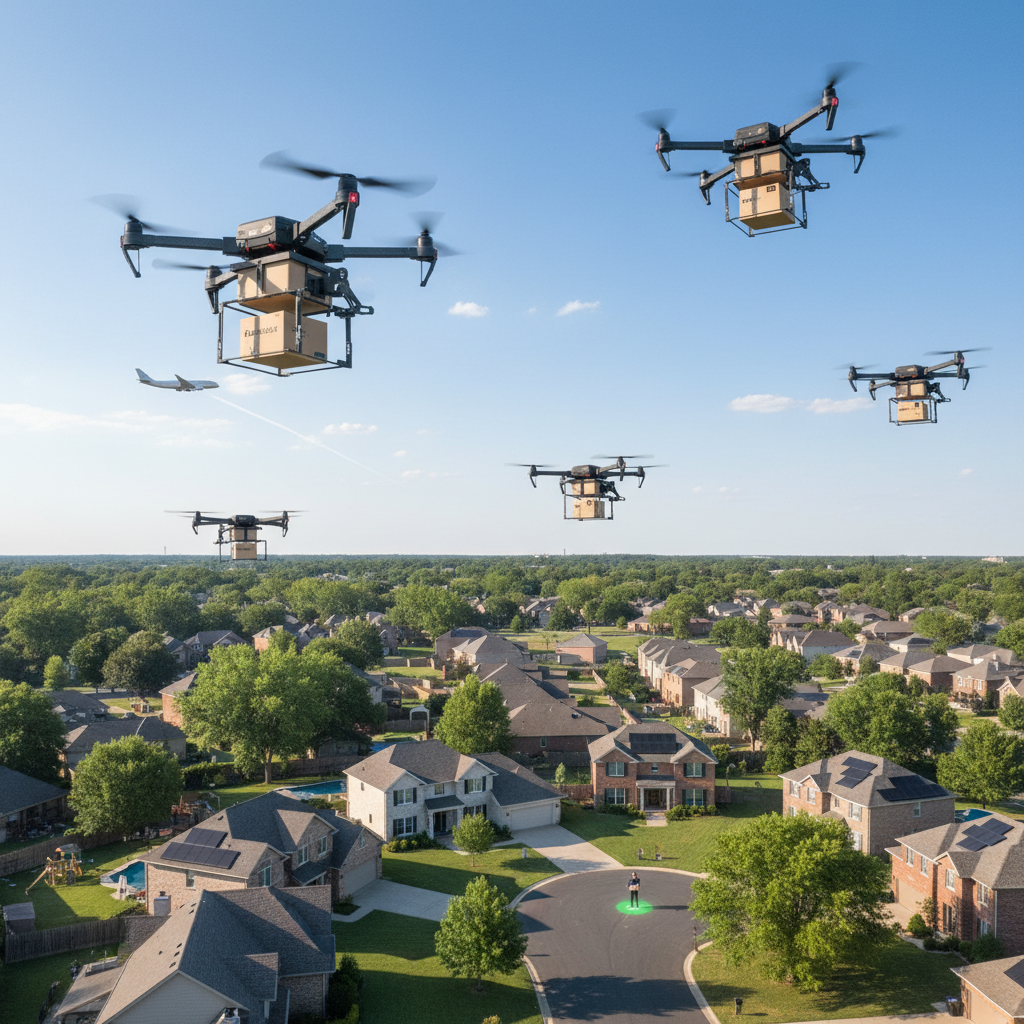
Virginia has long been at the intersection of history and innovation, and now it is taking a significant leap into the future with the rollout of Amazon’s drone delivery program expansion. As the technology giant expands its high-speed drone delivery to additional states, Virginia is seeing the benefits, particularly when it comes to increasing supply chain efficiency and reducing overall logistics costs.
A Strategic Location for a Smarter Supply Chain
Virginia’s middle location along the East Coast positions it at a central role in national logistics. As it has an integral transportation system, busy ports, and advanced infrastructure, the state is already playing a pivotal role in the movement of goods throughout the nation. Amazon’s plans to expand its drone delivery initiative in Virginia are strategic and visionary.
By introducing drones into the delivery mix, Amazon is fortifying the last-mile leg of its supply chain — the segment that typically proves most troublesome and expensive. Drones enable small packages to be transported from local fulfillment centers to customers in minutes, skipping over road traffic and manual delivery limits.
Solving the Last-Mile Challenge
In the context of the supply chain, the “last mile” is typically the slowest, most costly step. Whether a city block or a country road, getting that final package out takes time, labor, and vehicle capacity. In populous or dispersed areas of Virginia, this final step can be wasteful and costly.
Amazon’s drones are making that possible. Traveling above the roads and directly to businesses or homes, they reduce delivery time significantly with less fuel expenses and less strain on delivery vans and personnel. This is accelerating Virginia’s overall logistics process from end to end.
Quicker Deliveries for Businesses and Consumers
Virginia’s residents are noticing. Urban and suburban residents who are customers are now able to get small, necessary items — including electronics, medication, snacks, and household essentials — in an hour. For busy people or for those with limited access to stores, this can be a lifesaver.
Virginia businesses are also gaining. Small business owners and retailers who rely on Amazon’s platform can now provide even quicker delivery to consumers. In competitive marketplaces, that kind of speed provides a competitive advantage, and it creates a better shopping experience for consumers.
Decreasing Delivery Prices Throughout the State
From Northern Virginia to rural counties, shipping costs have fluctuated by location. Congested areas have traffic, whereas remote towns have distant locations and limited delivery opportunities. Amazon’s drone technology serves to level that out.
With drones, there are fewer truck delays and lower fuel bills. Over time, this saves shipping costs and operating costs. In some regions where delivery took a day or two, drones are enabling a package to be delivered the same afternoon, with fewer trucks, fewer drivers, and more cost savings for all.
Helping Virginia Reach its Clean Energy Targets
One other undervalued advantage of drone delivery is its environmental influence — or, more specifically, the absence of it. Conventional delivery trucks burn fossil fuels and cause traffic. Drones, however, are electric and light. They have zero tailpipe emissions and produce little to no noise pollution.
Virginia, which has been making efforts towards cleaner energy alternatives and reduced emissions, is viewing this as a positive step. Using drones to replace short-distance truck deliveries gets the state closer to meeting its environmental objectives in addition to updating its delivery infrastructure.
Developing High-Tech Career Paths
As Amazon’s drone project expands in Virginia, it’s opening the way to new job opportunities. Drones can fly on their own, but the system depends on talented professionals — technicians, programmers, airspace managers, and maintenance staff all have a hand in ensuring that drone flights run smoothly and safely.
This opens up new possibilities for students, career changers, and job seekers. Virginia’s technical institutes and colleges are already looking into drone technology, robotics, and smart logistics programs — preparing the workforce for a high-tech future.
Safe and Smart Technology for Urban Environments
In municipalities such as Arlington, Alexandria, and Richmond, safety is a major issue when it comes to adding drones. Amazon has solved this by incorporating sophisticated systems within every drone. They have AI-enabled sensors, GPS navigation, and obstacle avoidance capabilities, so they can safely navigate through congested zones.
The drones can sense trees, buildings, power lines, and even birds — so that they can drop the packages without harming or disrupting anything. Packages are delivered in safe places such as backyards, porches, or landing zones, which is convenient and secure for customers.
A Glimpse of What’s to Come
Virginia’s participation in Amazon’s drone delivery system is not only about the convenience of today — it’s about tomorrow. As the technology widens its adoption, drones might be employed to do more than deliver shopping. Emergency services, health, agriculture, and disaster relief may all be able to take advantage of speedy, airborne logistics.
The state’s willingness to embrace and enable these innovations makes it a pioneer in new supply chain technology. The rest of the nation is keeping a watchful eye, but Virginia is already flying high.
Last Thoughts
Amazon’s drone-delivery expansion is assisting Virginia in transforming its logistics scene. With quicker deliveries, reduced costs, and a more intelligent method of last-mile delivery, the state is establishing a new benchmark for supply chain efficiency.
As more communities are starting to realize the advantages, one thing is certain — the future of delivery in Virginia isn’t on the road anymore. It’s in the air.


