- calendar_today August 18, 2025
Local Industries and Businesses Adjust to Federal Reserve’s Slowed Rate Cuts Momentum
Introduction
The Virginia economy is gearing up for an era of adjustment against the backdrop of the Atlanta Federal Reserve’s latest prediction, in which it sees only a single rate cut to 2025. Although previous forecasts of more frequent rate cuts might have been a huge shot in the arm of the economy, the smaller rate cutting momentum indicates that economic stability and inflationary pressures will continue to be at the top of the Fed’s agenda. In Virginia, consumers, businesses, and investors are now reconsidering their choices after the Fed’s new policy. The shift in the monetary policy will affect a wide range of industries, from consumer consumption and manufacturing to real estate and state financial markets.
The most critical industries hit by the Virginia forecast of Atlanta Fed
Some of Virginia’s major industries are going to experience instant and long-term implications due to the Fed’s slowing pace of rate cutting. Sectors such as real estate, manufacturing, farming, and consumer services will be affected by persistent high interest rates.
1. Real Estate Market: Slower Growth and Elevated Financing Fees
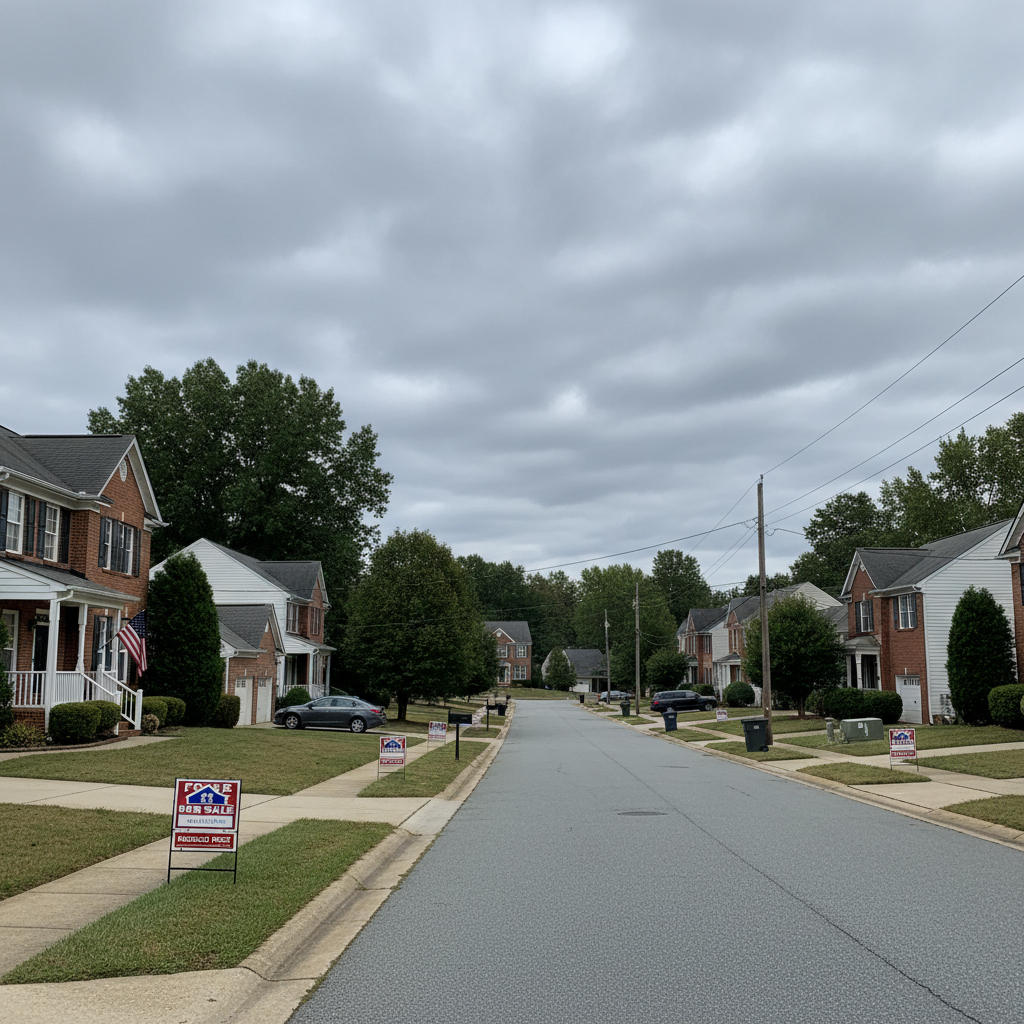
The real estate industry in the state of Virginia, i.e., in Richmond, Arlington, and Virginia Beach, has seen vast growth in recent times. As the interest rates now are going to be higher for a longer term of time, the mortgage rates will also be higher, which will affect the buyers of homes as well as the investors.
Impact on Homebuyers: As the mortgage interest rate remains higher, prospective homebuyers will be pushed away from the market, particularly the first-time buyers. This will lead to slack demand for housing, which will decrease the rate of house sales and affect real estate prices.
Commercial Real Estate Construction: Higher interest rates will discourage businesses from building new office buildings or commercial real estate. Builders would delay new projects or scale down, as financing would be more expensive.
2. Manufacturing Sector: Slowing Growth and Defensive Investment
Virginia’s manufacturing industries, such as automotive, defense, and high-tech industries, will likely feel the impact of lower interest rates later. Those are the companies that most heavily rely on using credit to acquire new machinery, construct new factories, or undertake new technology investment.
Delayed or Reduced Capital Expenditure: With the costly borrowing, firms can delay or reduce capital expenditure. Virginia defense, automotive, and high-tech firms would delay investment in new production facilities or replace equipment, which would dampen growth and expansion in these industries.
Employment: Factory production growth at a slower rate also translates to less opportunity for the creation of jobs, particularly for regions that have big factories as among the large employers. Job creation would be impacted by slower growth, particularly in the hiring of skilled factory manufacturing workers.
3. Agriculture: Increased Cost of Production for Farmers
Virginia’s farming industry, like poultry, tobacco, and other farms, is highly reliant on financing activities. Higher interest rates will increase farmers’ loan cost, which will affect their ability to invest in crops, equipment, and other requirements.
Increased Cost of Inputs: With increasing costs of finance, farmers will no longer be able to afford simple inputs like fertilizers, seeds, and machinery. This would decrease Virginia’s profitability in agriculture as well as raise consumer prices.
Financial Burden on Small Farms: The small- and medium-sized farms will likely be under the greatest burden, with no financial buffer to absorb extra financing charges. Some of them will need to scale down or exit the business, with even greater consolidation in the farming sector following as a result.
4. Consumer Consumption: Higher Cost of Credit and Restraint
Virginia’s consumer economy will be slowing down as tighter money raises the price of credit. The majority of Virginia’s residents utilize credit to fund expensive purchases, such as autos, home appliances, and furniture. Since the cost of borrowing is expected to be high, customers will consume fewer discretionary goods and services.
Impact on Car Purchases: Virginians will likely be deterred from purchasing new cars because of the higher auto loan expense. Buyers will opt to wait and purchase new cars, opting for used cars or delaying purchases instead.
Retail and Discretionary Expenditure: The more costly borrowing is, the fewer will be the willingness of the consumers to curtail discretionary spending, which will slow down the growth of retail business in Virginia. More retail businesses will suffer with lower non-discretionary and luxury product sales.
5. Financial Institutions: Positive and Negative Impact on Banks and Lenders
Virginia’s banks, credit unions, and other financial institutions can either experience a positive or negative effect from the Federal Reserve’s prediction.
Higher Profit Margins: Banks and financial institutions are positively affected by rate hikes, which tend to provide them with better margins on credit products and loans. This would likely bring in more profits for Virginia’s banks, especially on business loans and residential home loans.
Slated Loan Demand: Slated loan demand also declines, however, because customers will be paying extra interest on loans. Virginia households and businesses could avoid new lending, thus decreasing loan levels and moderating the state’s economic growth.
Conclusion
Atlanta Fed’s fresh forecast of just a single rate cut in 2025 will be experienced in Virginia’s economy. While the area has seen robust growth in recent years, the prolonged period of high interest rates can dampen key sectors such as real estate, manufacturing, agriculture, and consumption. Virginia consumers and businesses will be forced to adapt to the new economic landscape by reconfiguring investment plans, postponing discretionary spending, and reassessing access to capital.