- calendar_today August 22, 2025
Demand Slowdown and Market Shifts Create Uncertainty for Retailers
Introduction
Virginia retail market is closely observing the recent struggles of Lululemon as the athleisure company deals with softening demand and economic challenges. Its robust customer base, driven by its premium activewear, has turned it into a sweetheart of customers, but insidious inflation, shifting spending habits, and increasing competition have cast doubts over its future prospects of growth. With Virginia Beach, Richmond, and Arlington boasting more than one Lululemon store and freestanding retailers selling activewear, local firms are now adjusting their strategies to suit the changing market.
Know Lululemon’s Challenges
Lululemon has led the athleisure industry for years, but recent news has had its expansion sparking some eyebrows. There are a few reasons that have led to its deceleration:
- Weaker Consumer Spending – Economic turmoil and inflation have made consumers more risk-conscious and less willing to spend money on big-ticket purchases, even in the activewear segment.
- Premium Pricing Pressure – Being a premium fitness brand, consumers are moving towards more pocket-friendly options.
- Escalating Competition – Age-old premium brands like Nike, Adidas, and Athleta and newer direct-to-consumer activewear brands are offering fashion-forward and functional clothing at lower price points.
- Inventory Challenges – Other analysts point to high inventories that have pushed the company into promotions at the expense of profit margins.
Such issues are not merely impacting the stock performance of the company and growth projections but also raise concerns among Virginia retailers that rely on Lululemon popularity.
Impact on Retail Sector in Virginia
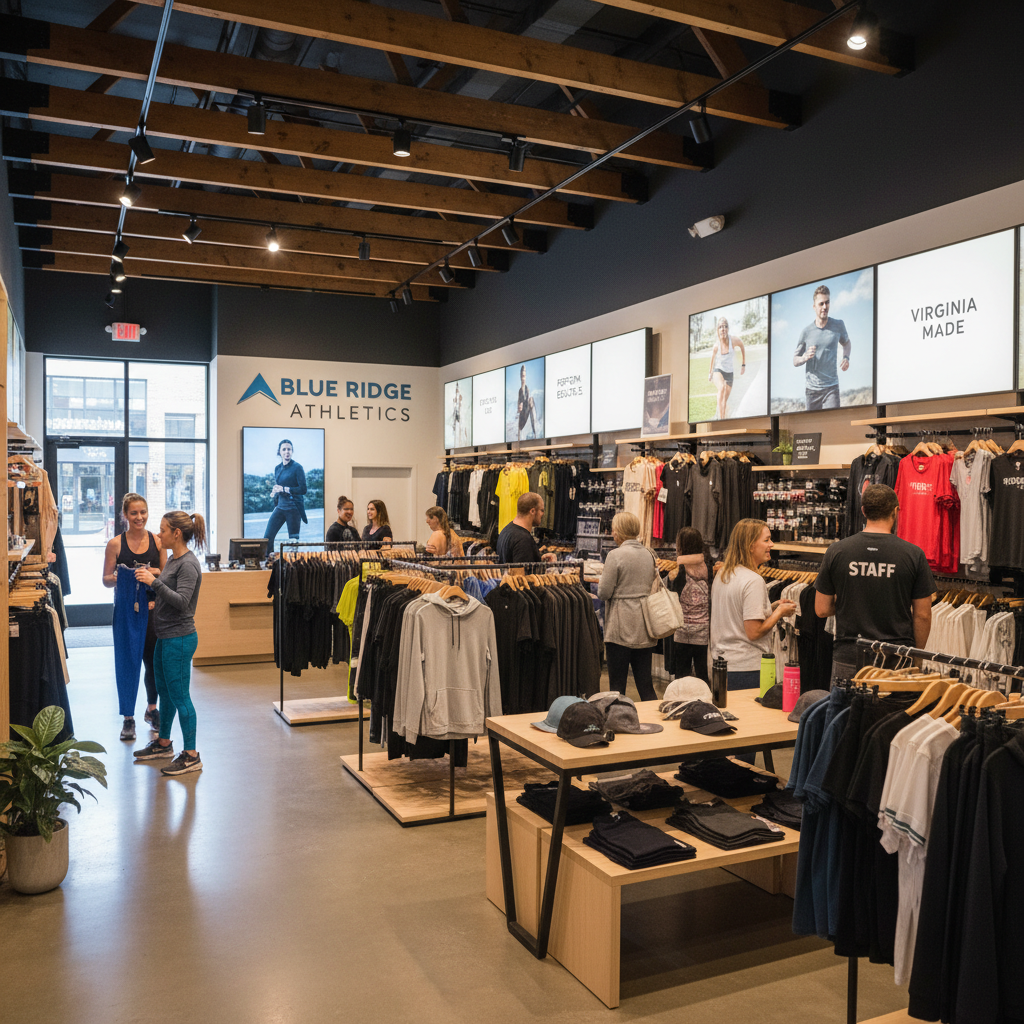
From Northern Virginia shopping centers to Richmond boutiques and beachfront stores in Virginia Beach, retailers selling Lululemon or competing in the athleisure category are making the adjustments the industry is going through.
1. Consumer Trends
Consumers are becoming more and more selective in what their money is spent on, the retailers say. Loyalists still exist among consumers, but many are eyeing lower-cost alternatives, including discount stores, second-hand stores, and private-label fitness apparel offered by retailers like Target and Amazon.
2. Increased Promotions and Discounts
Lululemon, traditionally used to store employees virtually never offering sales, has needed to create more promotions in an effort to retain customers. Virginia-based retailers that offer the brand or similar offerings are also faced with discounting to stay competitive. The shift in behavior has led to:
- More regular storewide sale events
- Greater use of reward loyalty programs
- Expanded clearance sections featuring last season’s offerings
3. Secondhand and Resale Market Growth
The success of resale platforms like Poshmark and Like New, the initiative taken by Lululemon, is impacting store sales. Virginia consumers increasingly are buying previously owned Lululemon items at a lower price compared to buying new garments at full retail value. The trend is encouraging retailers to rethink their strategy for selling high-end athleisure wear.
How Virginia Retailers Are Adapting
In spite of adversity, businesses across Virginia are making changes to Lululemon’s slowdown without losing focus on changing customer demand.
1. Expanding Product Lines
Independent shops and department stores are expanding product lines by adding more affordable activewear lines. This includes stocking a mix of high-end and low-end options to attract more customers.
2. Consolidating E-Commerce Plans
With more consumers shopping online for bargains and convenience, Virginia retailers are putting money into digital advertising and developing their web sites. Targeted promotions, social influencer collaborations, and social media-based campaigns are becoming customer retention strategies.
3. Customer Experience Focus
Some stores are emphasizing in-store personal shopping experiences to entice and retain consumers. In-store styling consultations, fitness events, and member-only sales are being rolled out to promote brand loyalty.
4. Localized Marketing Programs
Virginia retailers are concentrating on community-focused marketing programs. Collaborating with neighborhood exercise studios, gyms, and wellness influencers is helping businesses maintain high levels of engagement with activewear shoppers.
What’s Next for Lululemon and Virginia’s Retailers?
While Lululemon’s slowdown is problematic, the broader athleisure industry remains in good health, driven by consumers’ ongoing enthusiasm for comfort, fitness, and health. Experts predict that:
- Lululemon will introduce more mid-range product collections to attract price-sensitive buyers.
- Resale channels and trade-in programs for the brand will keep on growing.
- Traders will continue to invest in sustainable and green active apparel products to meet consumer needs.
Virginia’s retail sector shall be adaptable, incorporating technology and tailored shopping experiences to engage customers.
Conclusion
Virginia retailers are taking note of Lululemon’s anticipated struggles as they navigate a shifting marketplace. With shifting consumer preferences, increasing competition, and fiscal pressure, businesses are developing new ways to adapt and remain competitive. Either by expanding product lines, more incorporating digital strategies, or selling through communities, the retail industry in Virginia is preparing for fashion athleisure’s future.