- calendar_today August 7, 2025
Insurance Deductibles Are Rising Across Virginia
From Newport News along Hampton Roads to the Shenandoah Valley’s small towns, Virginia homeowners are witnessing a steep jump in insurance deductibles. What once were manageable flat fees of $500 or $1,000 are now morphing into percentage-based deductibles tied to the home’s insured value—often translating to thousands of dollars before coverage even begins.
The shift has introduced real anxiety into household planning. With the median home value in Virginia hovering around $350,000, a 2% deductible means residents must prepare for a potential $7,000 payment before their insurer steps in. The financial burden has quickly become a hot topic at kitchen tables and in community centers across the state.
Coastal and Inland Threats Reshape Coverage Priorities
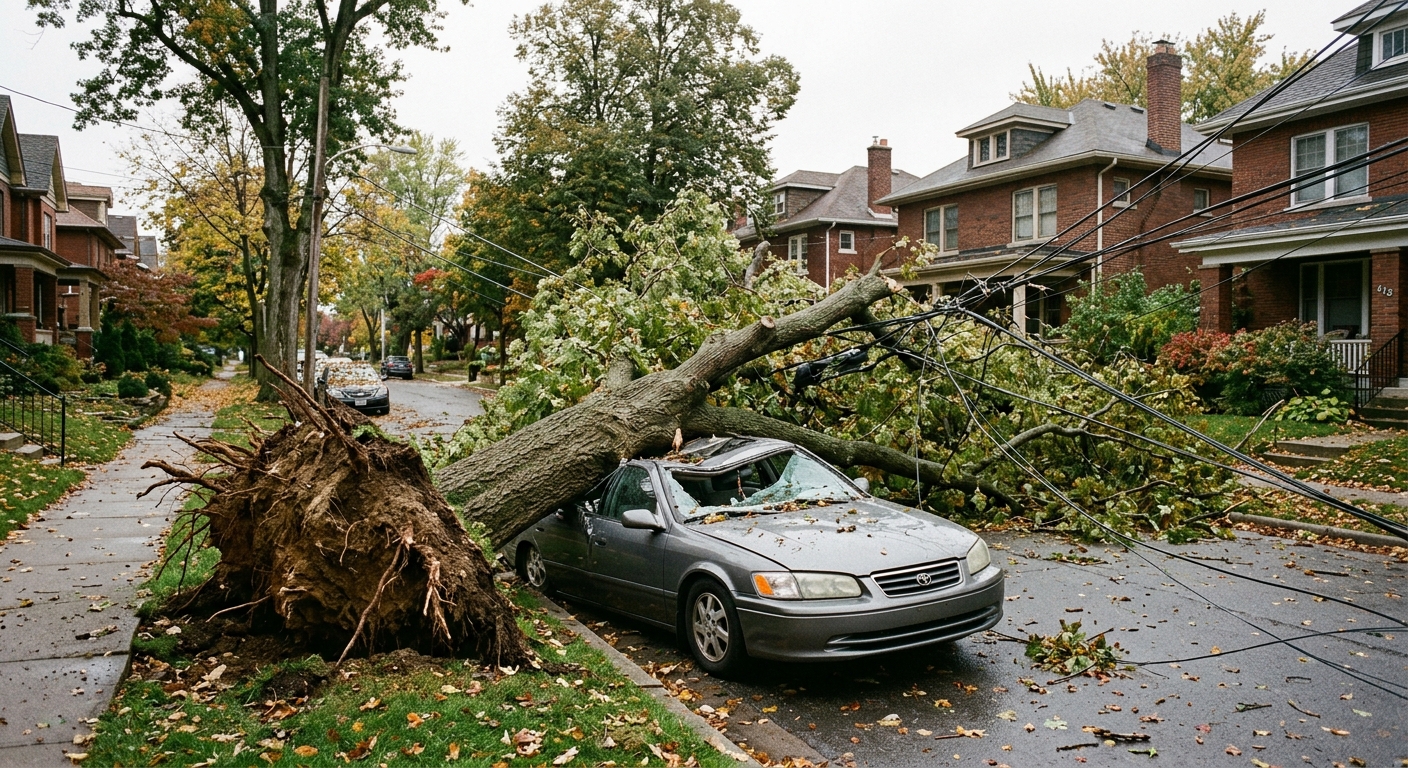
Virginia’s geography creates a unique mix of weather risks—from hurricanes and nor’easters along the Chesapeake Bay to tornadoes rolling through the Piedmont farmland and ice storms in the western mountains. This unpredictable blend has prompted insurance companies to reassess risk models and demand higher deductibles for wind, hail, or named storm events.
In Norfolk, homeowners report policy adjustments that layer on both windstorm and hurricane deductibles, each defined by a percentage of insured value. In Danville and Roanoke, storm damage has triggered flood and hail claims with separate deductible structures. For many Virginians, navigating the complexity of these layered policies feels overwhelming and financially risky.
Personal Stories Illuminate the Burden
In Virginia Beach, a retired couple pulled their storm-damaged roof into their driveway, hoping their standard policy would help. Instead, they faced a 3% windstorm deductible on their $400,000 policy—translating to $12,000 out-of-pocket before insurance would cover any repair costs. Their choice was clear: file a claim that might lead to a rate hike or pay entirely on their own.
Just a few hours west, in Charlottesville, a homeowner contended with hail damage during spring storms. The repair estimate came to $5,500—the same as the policy’s deductible, leaving the homeowner responsible for the full cost. He elected to pay directly, wary of what a claim might do to his future premiums.
Escalating Repair Costs Compound the Issue
Beyond elevated deductibles, rising repair costs are making headlines. Construction materials like roofing shingles and plumbing fixtures have grown costlier due to inflation and supply chain disruption. Skilled trades—carpenters, roofers, HVAC technicians—are in short supply, driving up labor rates throughout the state.
In Richmond, roofing companies are now averaging $12,000 for mid-tier replacements. In Winchester, home repair costs are similarly inflated. With deductibles reaching similar levels, homeowners must grapple with insurance coverage that feels increasingly distant.
How Virginians Are Adapting
Across the Commonwealth, homeowners are responding with determination and proactive planning. Emergency repair funds are becoming as vital as mortgage payments—many now set aside month-by-month to cover potential deductible costs.
Insurance-savvy Virginians are scrutinizing renewal documents closely, negotiating renewal terms with agents, and choosing policies with known, flat deductibles—even at the expense of slightly higher premiums. In communities near water—like Hampton or Williamsburg—flood and wind endorsements are being purchased proactively, often at additional cost but with better defined coverage.
Neighborhood associations in Reston and Virginia Beach have organized “storm readiness” events, offering residents free consultations on deductible structures, mitigation upgrades, and paperwork preparedness.
Insurance Industry Perspective: A Balancing Act
Insurance carriers assert that these changes are necessary to control escalating claim payouts and maintain policy availability in high-risk zones. A representative for a regional insurer explained that percentage-based deductibles discourage small, frequent claims that strain reserves and ultimately push up premiums for everyone.
“Deductibles tied to storm value—instead of fixed-dollar amounts—help us provide coverage in vulnerable areas while encouraging homeowners to carry some risk,” the spokesperson said. “It’s a difficult balance, but we believe it’s more sustainable.”
Consumer Advocates Urge Greater Transparency
Advocacy groups and consumer watchdogs are pressing for policy clarity. They argue that renewal notices often bury significant deductible increases in fine print, leaving policyholders wishing they were told up front.
Virginia’s insurance commission recently began reviewing whether insurers must highlight deductible changes—especially when shifts exceed 25% of the prior amount. Meanwhile, homeowner educators continue to push for plain-language disclosure and proactive dialogue regarding coverage changes.
Preparing Your Home for Weather Risk
Homeowners are reminded to prepare ahead of severe weather seasons. That means maintaining roofs, clearing gutters, trimming trees, and reinforcing windows and doors. Virginia’s variable seasons, hot summers, hurricane threats, winter ice, require year-round attention.
Documenting upgrades and repairs with receipts and photographs can help avoid surprises during the claims process. Keeping a home inventory, backed up digitally, also empowers homeowners when filing larger claims.
What Lies Ahead for Virginia Residents
As environmental volatility and insurance economics converge, Virginia homeowners face a new landscape of homeownership risk. Deductibles tied to home value and weather events look likely to remain, and possibly expand.
For policyholders, the key lies in vigilance: budgeting for repairs, reviewing coverage annually, and advocating for clearer policies. Community groups, local insurers, and state regulators are stepping in to provide guidance, but homeowners must remain proactive in safeguarding both their homes and finances.