- calendar_today August 13, 2025
How Virginia Motor Buyers and Automotive Manufacturers Are Weathering Global Auto Price Hikes
Introduction
India’s biggest carmaker, Maruti Suzuki, has increased car prices by 4% across the board. Maruti Suzuki attributes the price hike to inflation, supply chain issues across the globe, and rising raw material costs. While it does not sell cars in the United States, Maruti Suzuki’s price changes reverberate across overall industry trends affecting markets such as Virginia.
Virginia is a significant automobile manufacturing and sales hub with a robust dealership network and growing EV. With global car prices gaining ground and Virginia auto industries braced against shifting costs, supply challenges, and changing consumer behaviors, we delve deeper into how the auto market in Virginia is preparing for the changes.
Maruti Suzuki Price Hike and Its Impact Worldwide
Maruti Suzuki’s price rise is an instance of a larger trend affecting the global auto industry. Rising steel and aluminum costs, expensive semiconductor components, and logistics difficulties forced a lot of manufacturers to amend their pricing. While Virginia buyers do not purchase Maruti Suzuki vehicles directly, the cost-causing pressures affect the whole industry and, in fact, actually affect other considerations like the new car prices and demand for used vehicles.
How Virginia’s Automobile Industry Is Being Reformed
Virginia’s auto industry, the consumers, producers, and automobile dealerships alike are responding to these changes in the following manner:
1. Reducing Dealership Sales and Pricing Strategies
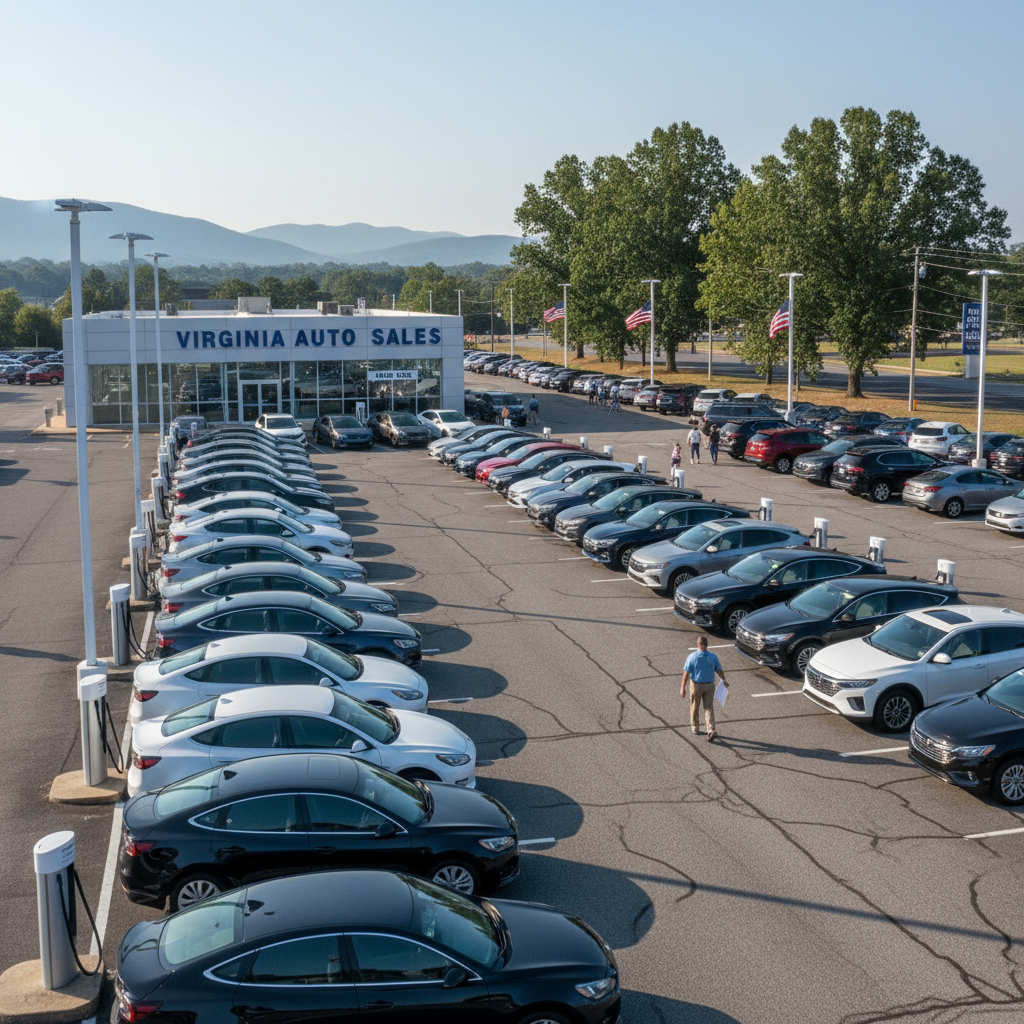
Virginia automobile dealerships are being reformulated through sales and price strategies to take on global shifts. Due to increased costs resulting in new automobile sales, dealership firms are applying competitive financing offers, trade-in rebates, and discounts to get customers in the door as well as increase sales volume.
2. Higher Auto Parts and Repair Costs
Most of the parts used in U.S. vehicles and exported from foreign countries, like India, can be increased by Maruti Suzuki and other vehicles manufacturers. Therefore, the cost of imported parts may also be increased. It will be costly for Virginia repair shops, dealerships, and car service customers.
3. Higher Demand for Older Vehicles
As new vehicle prices are rising, most Virginian shoppers are looking toward the used vehicle market. The used vehicle market has grown in recent years, and dealers statewide are doing what they can to fill their lots with used cars to meet cost-conscious buyers.
4. Higher Demand for Electric and Hybrid Vehicles
With fuel costs fluctuating and car prices rising, more consumers in Virginia are exploring electric (EV) and hybrid options. The state has been actively promoting EV adoption through incentives, and automakers are ramping up production to meet growing interest in fuel-efficient alternatives.
What Virginia Car Buyers Can Do
If you’re planning to buy a car in Virginia, here are some practical strategies to navigate rising costs:
- Shop Around for the Best Bargains – Find the best prices by price-checking at multiple dealerships.
- Consider Certified Pre-Owned Vehicles – A certified pre-owned vehicle can offer dependability and money for value compared to purchasing new.
- Take Advantage of Manufacturer Incentives – Motor vehicle manufacturers are making rebates, financing offers, or trade-in offers in an attempt to subsidize rising costs.
- Watch Out for the Market Trend – Keeping up with the price fluctuation of autos can enable you to buy it at the right moment.
- Research EV and Hybrid Models – Gas-saving cars can prove to be economical as long as the long-term benefit of gasoline and maintenance is considered.
Conclusion
Maruti Suzuki’s price hike is a reflection of global cost pressures affecting the entire automotive industry. While Virginia does not directly import Maruti Suzuki vehicles, the rising costs in the international market are having a ripple effect on car prices, manufacturing expenses, and consumer buying habits.
Virginia’s auto sector is responding by restructuring dealership models, controlling repair costs, and building the electric vehicle and used car market. While worldwide car prices keep changing, Virginia auto companies and consumers need to stay updated and adaptable to better deal with the new car scenario.