- calendar_today August 8, 2025
Real Estate Outlook 2025: What’s Ahead for Virginia’s Housing Market
As 2025 unfolds, Virginia’s housing market is experiencing a transformation shaped by evolving financial dynamics, buyer behavior, and shifting urban-suburban preferences. From Northern Virginia’s tech belt to the historic corridors of Richmond and the coastal appeal of Virginia Beach, a complex blend of market forces is redefining homeownership, investment strategy, and regional development.
The gradual normalization of mortgage interest rates has had a noticeable impact across Virginia. With rates stabilizing after previous volatility, potential buyers who were sidelined in 2023 and early 2024 have cautiously returned to the market. However, affordability remains a significant challenge.
In high-demand areas like Arlington and Fairfax, where home prices continue to outpace the national average, even modest reductions in borrowing costs offer limited relief. Many first-time buyers are instead focusing on regions such as Roanoke, Lynchburg, and Winchester, where home values remain more attainable and property taxes relatively low. Adjustable-rate mortgages (ARMs) and buy-down strategies are also gaining traction as buyers look for flexibility amid lingering uncertainty.
Inventory Constraints and New Construction Response
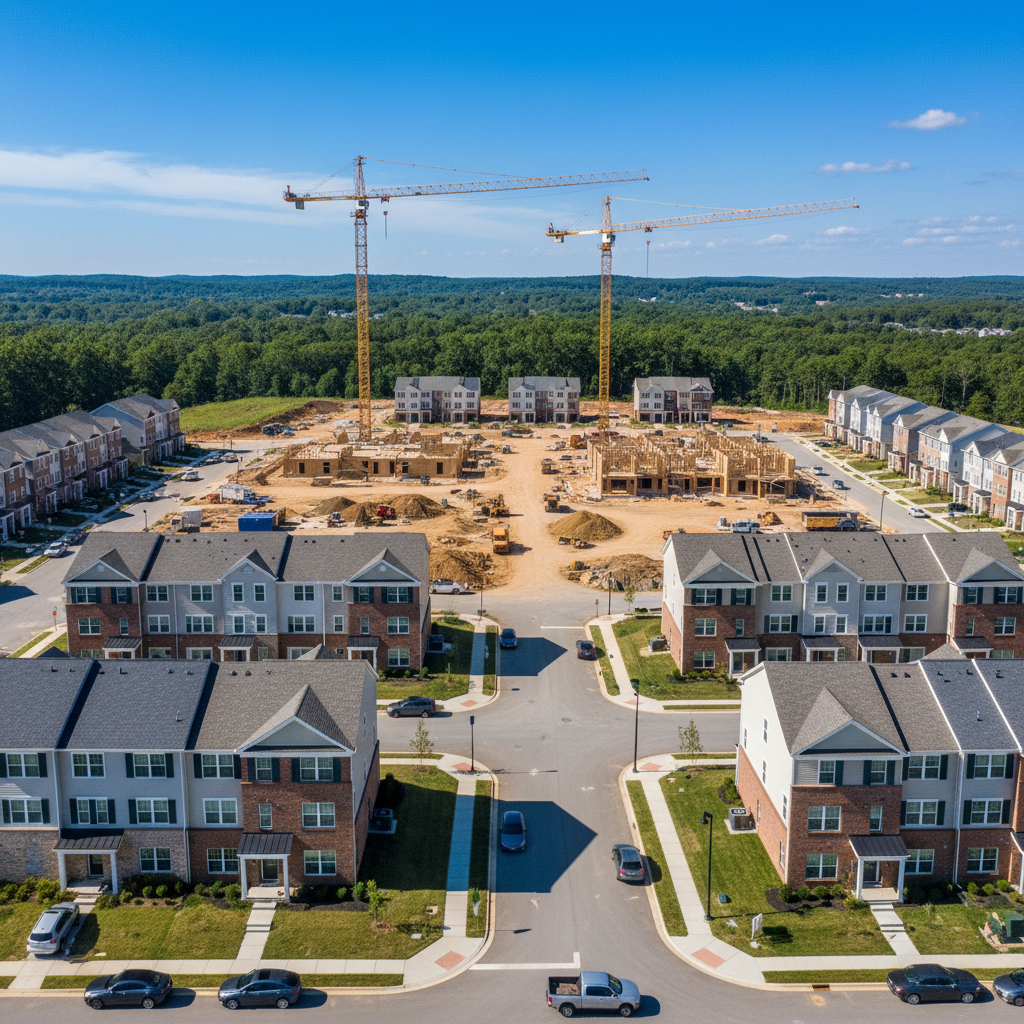
Virginia continues to face housing inventory shortages, a trend consistent across the Mid-Atlantic. While new construction projects are underway — particularly in exurban developments and planned communities — these additions have yet to meet surging demand, especially for entry-level homes.
In fast-growing corridors like Spotsylvania County and Chesterfield, developers are targeting middle-income buyers with townhomes and compact single-family units. Builders are also adjusting timelines to meet energy efficiency codes and evolving zoning requirements, especially in jurisdictions tightening control over suburban sprawl. However, construction labor shortages and supply chain fluctuations have delayed timelines in certain counties.
Urban Migration Rebalances Toward Suburban and Rural Zones
A notable demographic shift continues to unfold in Virginia. High urban housing costs in metro areas like Alexandria and Norfolk are prompting buyers and renters to migrate toward smaller cities and rural counties. These areas, offering more space and lifestyle flexibility, have become increasingly attractive for hybrid and remote workers.
Places like Culpeper, Fredericksburg, and Staunton are benefiting from this transition. Rail and highway connectivity, coupled with relatively affordable housing and strong local school districts, have helped these communities evolve into attractive alternatives to dense urban hubs.
In contrast, central districts of Richmond and the Tidewater region have seen slower price growth and extended listing durations, indicating a cooling in once-competitive urban zones.
Renters Face Escalating Pressure Amid Limited Relief
Renters across Virginia are feeling the squeeze. Median rent prices in regions like Northern Virginia rose nearly 6% year-over-year, outpacing wage growth in key employment sectors such as healthcare and education. The shortage of affordable rental housing is most acute in college towns and urban employment centers.
Multifamily construction is slowly gaining momentum, especially in places like Hampton Roads and Charlottesville. However, these projects often target higher-income brackets or short-term rentals. Rent control discussions remain off the legislative radar, leaving local governments to implement stopgap measures such as tax incentives for affordable housing developers or rezoning proposals that support duplex and ADU (Accessory Dwelling Unit) expansion.
Investment Market Matures with Regional Nuance
Virginia’s real estate investor profile is becoming more diversified in 2025. While institutional buyers remain active in Northern Virginia, there’s a growing trend of local and regional investors focusing on small multi-unit properties in secondary markets. Cities like Danville and Harrisonburg are seeing increased investor attention due to lower entry points and the potential for long-term rental yields.
Short-term rental markets, however, are undergoing regulation. Local ordinances in places like Virginia Beach and Williamsburg have introduced tighter rules, reflecting a broader national pattern. This has led some landlords to shift toward long-term leases or exit the market altogether.
Virginia’s Market in Transition
Virginia’s real estate landscape in 2025 illustrates a delicate balance between opportunity and challenge. While declining interest rates and economic resilience provide a base for cautious optimism, affordability issues, inventory bottlenecks, and shifting demographic pressures are steering the market in new directions.
Whether in the rapidly urbanizing suburbs of Northern Virginia or the emerging rural zones of the Shenandoah Valley, the state is redefining housing priorities — and so too must its residents, investors, and policymakers. The road ahead demands adaptive strategies grounded in local realities.