- calendar_today August 20, 2025
Virginia is actively redefining its economic landscape with clean energy policies, major infrastructure investments, and a push toward electric transportation. As the Commonwealth accelerates its commitment to net-zero goals, EV manufacturers like Fisker Inc. (NYSE: FSR) draw attention from local investors, particularly those engaged in the growing sectors of green energy, innovation, and advanced manufacturing.
Once seen as a standout among next-generation automakers, Fisker faces renewed skepticism in 2025. The California-based EV maker has struggled to meet production goals, leading to a sharp drop in valuation. Yet, for Virginia-based investors—many tied to the state’s green economy or burgeoning tech sector—the company’s high-risk, high-reward profile could align with regional investment trends.
A 2025 Crossroads for Fisker
After gaining early traction with its Ocean SUV, Fisker faltered in 2024 and early 2025 due to missed delivery targets and ongoing financial pressures. By mid-2025, the company’s market cap had dropped below $1.3 billion—a far cry from its $7+ billion peak during the 2021 EV stock surge.
Virginia investors, especially in cities like Arlington, Richmond, and Norfolk, where tech-driven growth and ESG portfolios are on the rise, are watching Fisker’s next moves closely. The company is betting heavily on scaling Ocean production by late 2025 and preparing to launch its more affordable Pear model in 2026.
Forecasting Fisker’s 2030 Price Path
Like most EV startups, Fisker’s 2030 forecast remains speculative. But analysts envision three broad price trajectories:
Bull Case: Fisker meets production milestones, rolls out the Pear and Alaska models successfully, and tops 200,000 annual vehicle sales. That scenario could generate $6–$8 billion in revenue and send shares to $25–$30. Virginia investors seeking early access to high-growth sustainability stocks may view this path optimistically, especially with the state’s clean tech sector expanding.
Base Case: A more cautious outcome assumes 75,000–100,000 annual units sold, with $3–$4 billion in revenue and share prices settling around $8–$12. For risk-aware investors in regions like Fairfax or Virginia Beach, this scenario offers a moderate-growth clean energy play.
Bear Case: Ongoing production and financial hurdles keep Fisker stagnant, with little growth and weak investor sentiment. In this case, stock prices could remain in the $3–$5 range, likely unattractive to Virginia’s institutional funds or conservative wealth managers.
Industry Context: Virginia’s Clean Energy Policy and EV Readiness
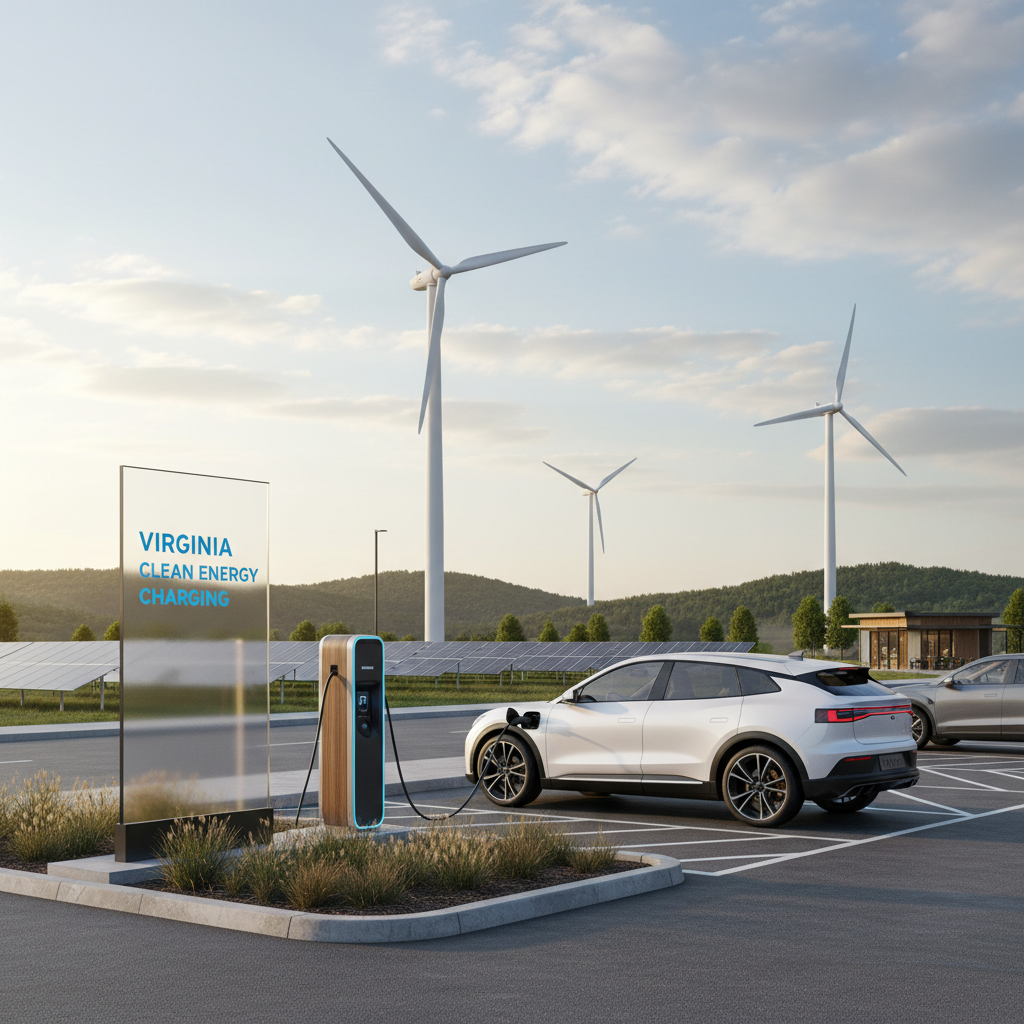
Virginia is on a mission to become a clean energy leader. Through the Virginia Clean Economy Act (VCEA), the state is phasing out fossil fuel generation and ramping up renewables and grid modernization. Dominion Energy’s solar expansion, the Coastal Virginia Offshore Wind project, and statewide EV charging rollouts have created fertile ground for zero-emission mobility.
Yet Fisker’s offshore production via Magna Steyr in Austria prevents it from benefiting from key IRA tax credits, which favor domestic EV assembly. For Virginia consumers and investors, this raises concerns about long-term competitiveness unless Fisker pivots to U.S.-based manufacturing—something it has hinted at via potential partnerships with North American manufacturers like Foxconn.
If the company were to locate production within states with pro-EV business climates—Virginia among them—it would improve both its market position and appeal to regional portfolios seeking ESG compliance and long-term value.
Investor Sentiment and the Virginia Investment Environment
Institutional trust in Fisker has weakened after liquidity concerns and missed earnings guidance. Still, retail investors in Virginia’s fast-growing innovation corridors—like the Dulles Technology Corridor and Hampton Roads—remain open to clean tech equities, especially those with ESG potential.
Virginia is also home to several universities and research hubs advancing battery technology, energy storage, and transportation electrification. In places like Charlottesville and Blacksburg, sustainability-conscious investors may continue to monitor Fisker’s progress as part of a longer-term green portfolio strategy.
Looking Ahead: The Road to 2030
Virginia’s clean energy leadership, EV policy framework, and commitment to sustainability put the Commonwealth in a unique position to benefit from the transportation transformation. As more automakers explore U.S.-based production and green investment grows, regional investors will increasingly weigh innovation, execution, and alignment with policy incentives.
For Virginia investors, Fisker offers a speculative but aligned opportunity, assuming the company can stabilize its finances, deliver on upcoming vehicle launches, and realign production to meet domestic content thresholds.
If those pieces fall into place, Fisker could shift from a struggling EV brand to a legitimate player in Virginia’s ESG portfolios. Until then, it remains a high-volatility bet best suited for investors prepared to navigate both risk and long-term clean mobility trends.