- calendar_today October 13, 2026
Preparing for an Unprecedented Parental Challenge
The possibility of a livestreamed execution on December 3, involving Nidal Malik Hasan, presents unique challenges for parents and caregivers. Experts are urging families to focus on how such events might affect children, rather than on the political or legal aspects of capital punishment. The Trump administration's plan to broadcast the event raises concerns about direct and indirect children's exposure to graphic footage.
Understanding the Risks of Graphic Footage Dissemination
Experts warn that the dangers extend well beyond the initial broadcast. Even if the livestream is restricted, video clips and images could be copied and widely circulated across social media platforms, making children exposure difficult to control. Parents must be aware that even if their children do not watch the live execution, they may still encounter related graphic content through their online activities or conversations.
The Role of Parental Guidance and Communication
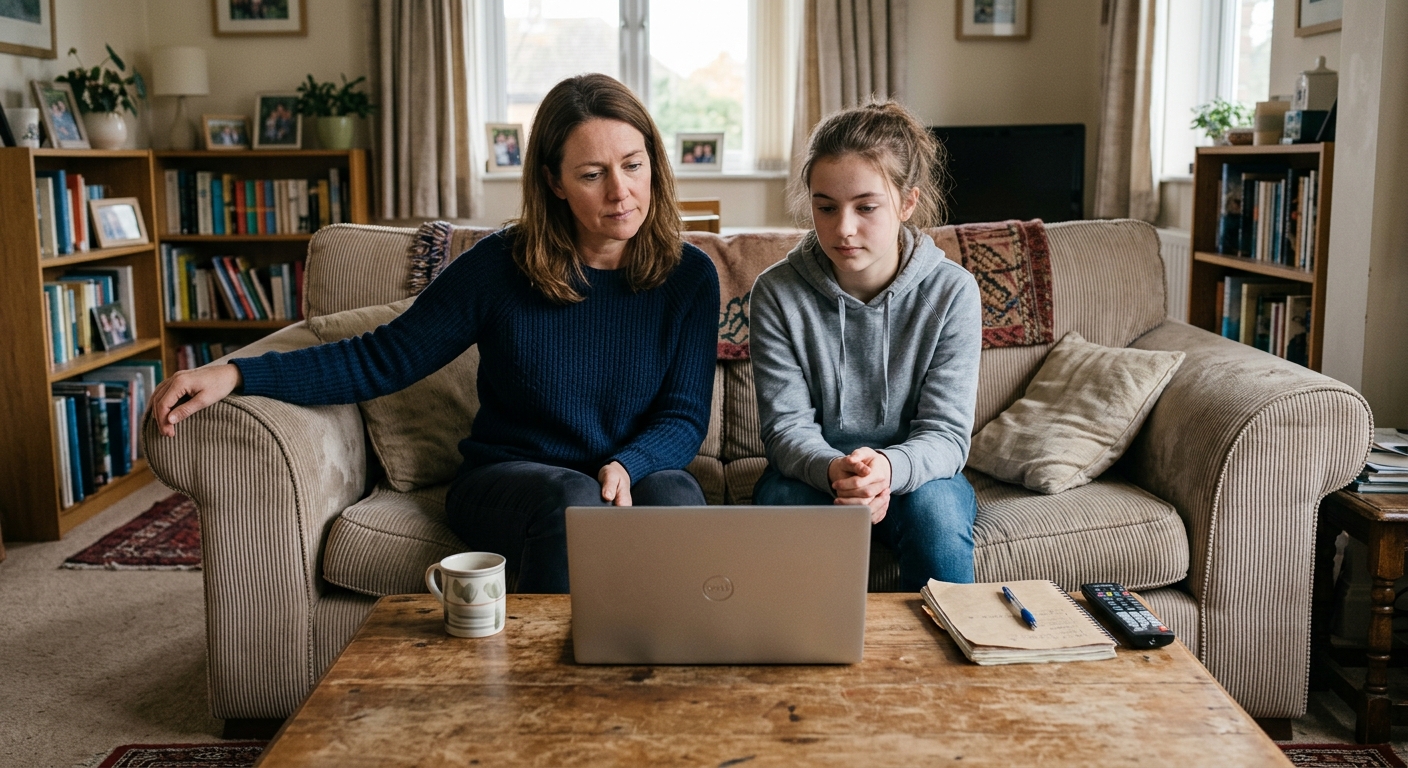
Specialists in parental guidance recommend setting aside debates over capital punishment and focusing on children's safety and mental health. According to Common Sense Media, having accurate information about the event can help families frame their own values and provide clarity for children. Jill Murphy, chief content officer at the organization, stresses the importance of age-appropriate reassurance—keeping discussions brief with younger children and gently exploring older children's understanding and feelings.
Dr. David Rosenberg of Wayne State University advises that parents should answer children’s questions directly, assert their authority by restricting access if needed, and avoid overexplaining. Staying calm and reassuring is key, as excessive discussion can increase anxiety rather than reduce it. Telling children, "I don't have all the answers. But here’s what we know—you're safe, you're secure, and this is what we believe," is a practical approach to creating a sense of security.
Potential Psychological Impact and Trauma Prevention
Psychiatrists caution that exposure to graphic footage—even passively or through repeated viewings—can be linked to symptoms of trauma or post-traumatic stress, both in adults and children. Dr. Timothy Lesaca highlighted, through previous studies, the mental health risks associated with watching violent content such as bombing or beheading videos. He argues that making Hasan’s execution public is not just a legal or political matter, but also a public health issue with possible consequences for vulnerable viewers.
Rosenberg notes that individuals with histories of anxiety, depression, or prior trauma are at greater risk for negative outcomes. The risk is not limited to young children; even young adults may be affected, as the brain regions handling emotional regulation and decision-making are still developing into the mid-twenties. Parents should look out for ongoing anxiety, disruptions in sleep, or changes in daily function in their children following exposure, and seek professional help if concerns arise.
Monitoring Updates and Social Media Risks
Families are advised to monitor ongoing information about how the potential livestreamed execution would be conducted. Key questions remain about what footage will specifically be shown, the presence of any age restrictions, and whether broadcast delays or triggers would halt transmission. Government broadcasts often rely on platforms like YouTube, yet the company’s policy bans violent or gory content intended to shock. While exceptions exist for educational or documentary purposes, age restrictions may be applied.
Regardless of platform policy, the risk persists that short clips or images might spread as memes or through unofficial channels, making it vital for parents to engage proactively. The nature of social media means that exposure can happen quickly and in unexpected ways, even if official livestreams are carefully managed.
Concluding Advice: Taking a Proactive, Age Appropriate Stance
Experts emphasize that the likelihood of children hearing about or seeing content related to the execution is significant. Parents are encouraged to offer open, honest conversations tailored to their child’s age and developmental stage. Providing reassurance, limiting exposure, and checking in with children before and after the event are key components of trauma prevention. Ultimately, fostering trust and providing a sense of safety will best support children in navigating the potential psychological impact of witnessing such unprecedented events.
Source: wtvr.com.