- calendar_today August 24, 2025
Declining cotton yields in 2025 exacerbate trade issues and cost for Virginia’s manufacturing and logistics industries.
In 2025, the consistent decline in cotton production throughout the United States is starting to cause concern among trade and manufacturing executives in Virginia. While the state is not particularly famous for cotton production on a grand scale, the impact of the national trend is now starting to make waves within its economy.
From textile manufacturers to port operations, numerous Virginia businesses depend on stable and low-cost access to cotton. Now that yields decline and prices increase, major industries in the state are bracing for economic challenges that might continue long after this year.
Cotton’s Invisible Role in Virginia’s Economy
Cotton might not be a major crop in Virginia, but it quietly supports many sectors across the state. Cities like Richmond, Norfolk, and Roanoke have long-standing connections to textile manufacturing, fabric processing, and logistics. These industries count on consistent supplies of raw cotton or cotton-based goods to meet demand and maintain profitability.
Small businesses throughout the state, from custom clothing companies to quilt shops and towel makers, also feel the pinch. Most depend on domestically produced cotton because of its quality and affordability. But 2025 is a different story.
“Cotton is one of those things that we don’t necessarily notice, but always require,” explained a Norfolk-based fabric supplier. “If it becomes too costly or difficult to obtain, companies like ours are instantly affected.”
GSP+ Uncertainty Creates Added Pressure
The uncertainty of the Generalized System of Preferences Plus is one of the largest worries for Virginia trade officials. The trade program provides reduced tariffs for some imported products—such as cotton and products made from cotton—from developing nations. It benefits numerous American companies, particularly those in states such as Virginia, to continue operating supply chains at low costs.
But as U.S. domestic cotton production falls, there is a threat the nation will have to depend more on imported cotton. That would complicate how GSP+ is implemented or reviewed. If the program is reformed or tariffs rise, Virginia’s producers might end up paying more and waiting longer.
We can’t turn a blind eye to what’s occurring with cotton,” replied a Richmond-based trade counselor. “Virginia’s economy relies on open, low-cost trade. If that gets interrupted, everything from employment figures to product prices can get impacted.”
Manufacturing & Ports Start to Make Adjustments
Virginia ports, such as the Norfolk-based Port of Virginia, are among the busiest on the East Coast. Cotton goods—both raw and finished—are shipped through them on a regular basis. Logistics companies based near the ports are beginning to see volumes shift, with decreasing cotton shipments from local suppliers.
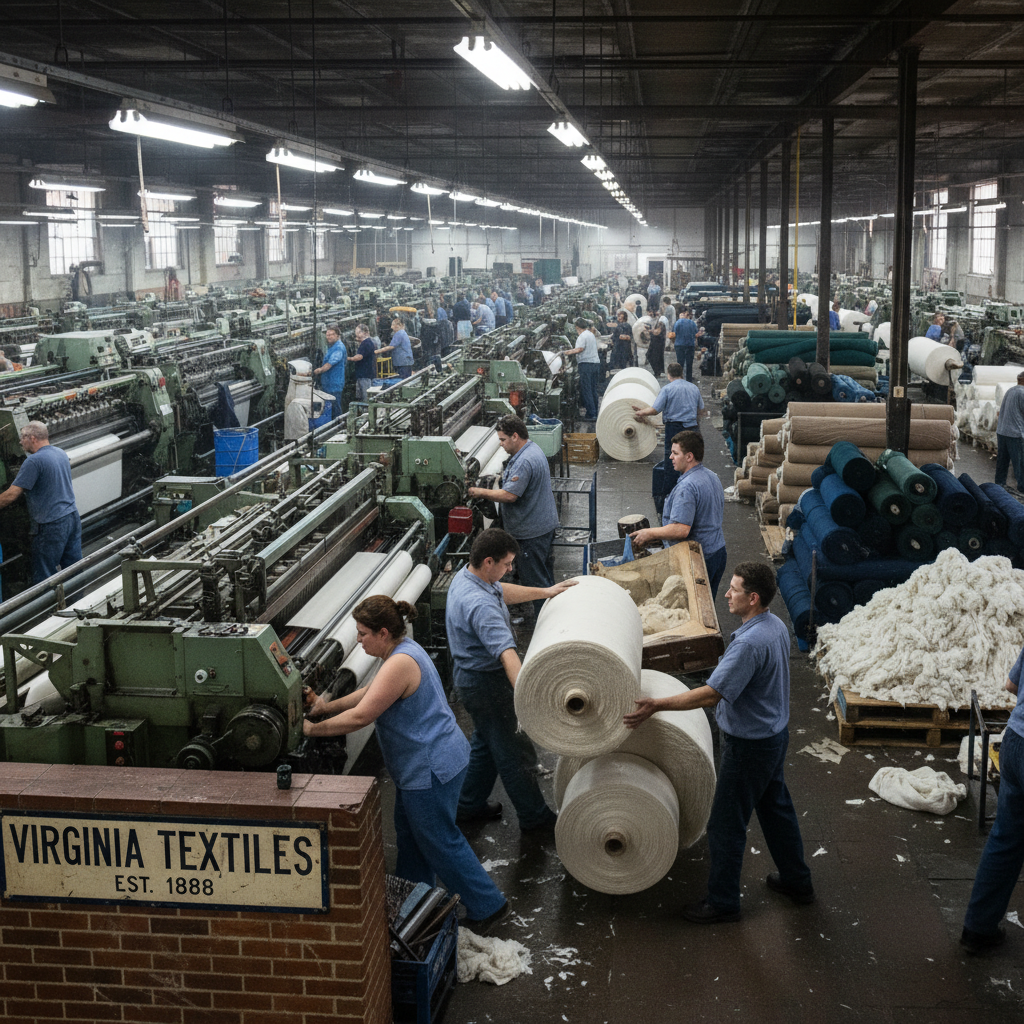
Meanwhile, clothing and fabric makers are being forced to find alternatives. Some are researching synthetic alternatives, while others are experimenting with blends that have lower usage of cotton per unit. But these changes usually entail retooling machines and retraining workers—all of which is expensive.
“Nobody constructs with 100% cotton except us,” explained a Richmond textile factory manager. “It is not easy to change to other materials. And with orders increasing, this delay will hurt us worse than even the raw material cost.”
Small Businesses Feeling the Pinch
Whereas big manufacturers are coping, the owners of Virginia’s small businesses are experiencing more immediate distress. Interior designers, clothing companies, and home furnishings shops frequently use cotton in their custom wares.
In areas such as Charlottesville and Virginia Beach, owners indicate they’re experiencing rising prices on the fundamental cotton goods, requiring them to either eat the costs or pass them along to clients.
“For the time being, we’re just trying to stock our shelves,” said a Virginia Beach boutique owner. “But if this trend keeps up, we might have to cut back on our line of products or raise prices. Neither is attractive.”
The Road Ahead
With the price of cotton likely to remain elevated in the short term, Virginia’s government and corporate leaders are weighing their options. Some are urging more help for small businesses hit by raw material price surges. Others are demanding more investment in local production of alternative products like hemp or recycled materials.
There is also increasing pressure on Washington, D.C. lawmakers to make certain that GSP+ benefits are maintained or widened to guard fragile industries. Any trade dislocation associated with cotton shortages can impact jobs and growth, particularly in states such as Virginia where manufacturing and trade are major contributors to the economy.
Final Thoughts
Although Virginia is not a leading cotton-producing state, the significance of cotton to its economy is very much real. The production decline is opening a chain reaction, ranging from supply shortages and increased costs to trade uncertainty and logistics slowdowns.
In 2025, Virginia is at a fork in the road. How the state—and the country—are able to meet declining cotton production will determine whether its companies can ride out the downturn or suffer long-term losses. In the meantime, the emphasis is on remaining nimble, adjusting where it is possible to do so, and bracing for what may be a decidedly altered economic climate in the coming months.