- calendar_today August 11, 2025
The renewable energy sector is at a pivotal moment, especially for investors in Virginia. In April 2025, many of the nation’s top green energy stocks experienced significant declines, prompting questions about whether this downturn signals a rare buying opportunity or a cautionary pause. While federal incentives under the Inflation Reduction Act (IRA) continue to support the industry, Virginia’s specific energy policies, regional market conditions, and national economic factors make the investment landscape nuanced.
Green Energy Stocks: Trends Impacting Virginia Investors
Several prominent renewable energy companies have seen their stock prices fall sharply in early 2025. Tesla (TSLA), a major player in electric vehicles and energy storage, has seen its shares decline more than 45% year-to-date amid disappointing first-quarter delivery figures. First Solar (FSLR), with manufacturing facilities contributing to Virginia’s expanding solar capacity, has dropped over 30%.
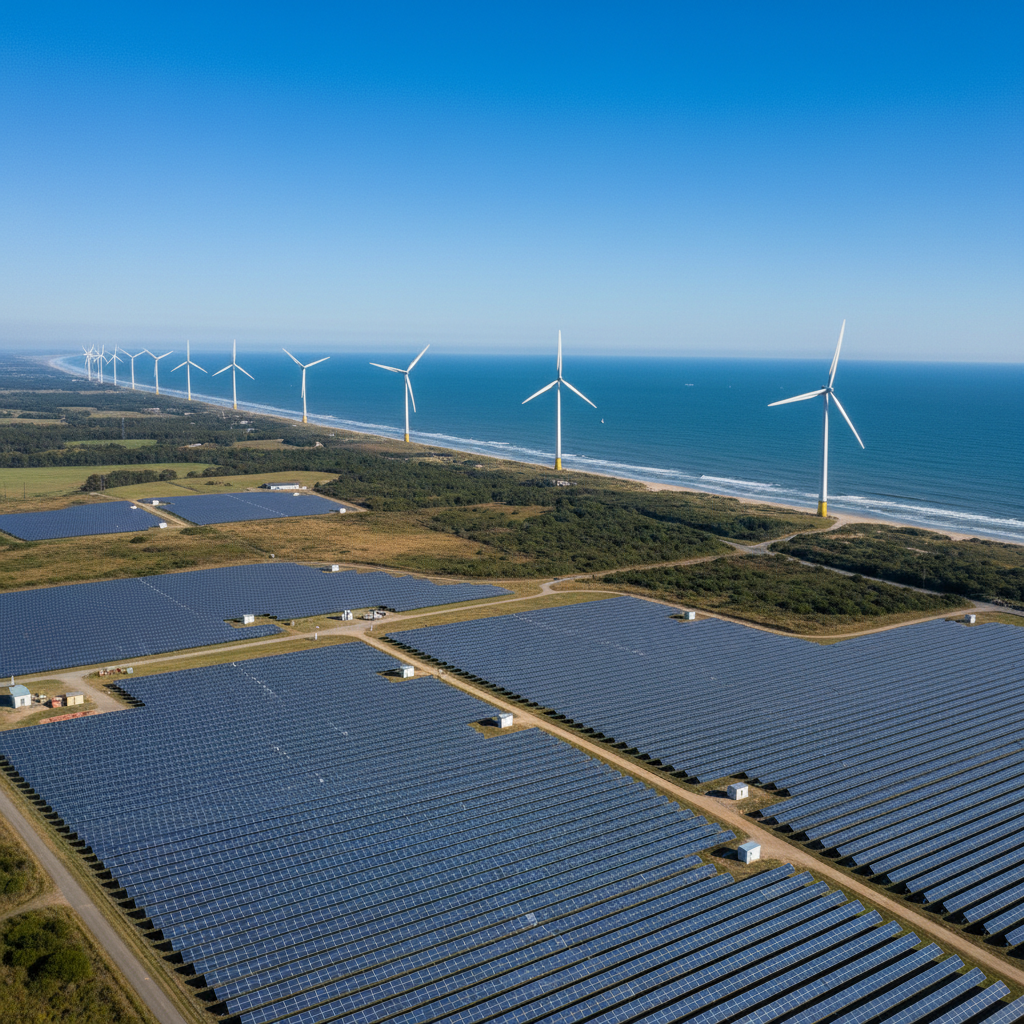
Locally, Virginia’s commitment to renewable energy is reflected in projects backed by companies like Dominion Energy and Appalachian Power, which are investing billions in solar and offshore wind development along the Virginia coastline. However, stocks tied to these developments have also experienced volatility, mirroring national trends. Enphase Energy (ENPH), a key supplier of solar microinverters used in Virginia’s residential solar systems, has dropped nearly 29%, even after expanding its European market presence.
This sector’s volatility stems from broader market uncertainties, investor concerns about profitability, and rising operational costs as competition intensifies.
Federal and Virginia State Policy Support in 2025
The Inflation Reduction Act remains a cornerstone of clean energy incentives nationwide, including in Virginia. This legislation provides a 30% Investment Tax Credit (ITC) for solar and wind projects and Production Tax Credits (PTC) that reward renewable energy generation. These credits are instrumental in financing the expansion of Virginia’s solar farms and offshore wind projects, which the state prioritizes as part of its Clean Economy Act goals.
Nevertheless, political debates and upcoming elections in 2025 may affect funding and regulatory frameworks, making the future somewhat uncertain for investors relying on sustained policy support.
Economic Factors: Inflation, Interest Rates, and Their Effects on Virginia
The broader U.S. economy is experiencing mixed signals that affect renewable energy investments. The Federal Reserve has maintained interest rates at a relatively high 4.25–4.5%, increasing borrowing costs for capital-intensive projects such as those in Virginia’s renewable sector. Many developers face higher financing expenses as they build solar farms and offshore wind facilities.
Investor sentiment remains cautious but optimistic. Some fund managers are shifting assets toward infrastructure and diversified energy ETFs to hedge risks, a strategy that Virginia investors might consider given local project timelines and regulatory landscapes.
Clean Energy ETFs and Their Performance in Virginia’s Market Context
Clean energy-focused ETFs like the iShares Global Clean Energy ETF (ICLN) and First Trust Clean Edge Green Energy ETF (QCLN) have reflected the sector’s broader volatility. ICLN is down around 5% year-to-date, while QCLN has fallen close to 28% as of April 2025.
Despite short-term declines, these ETFs have delivered robust returns over five years, suggesting that patient Virginia investors who diversify their holdings across solar, wind, EV, and battery technologies could benefit from the long-term growth prospects tied to regional and national clean energy initiatives.
What Virginia Analysts and Experts Are Saying
Energy market analysts emphasize a balanced perspective. Samantha Klein, an energy analyst at Morningstar, noted, “The fundamentals remain strong, particularly with federal and state backing in Virginia, but investors should distinguish between short-term market fluctuations and enduring value.”
The International Energy Agency projects that renewables will comprise about 42% of U.S. electricity generation by 2030, with Virginia’s offshore wind and solar investments playing an important role in this transition.
Should Virginia Investors Consider Buying Now?
For Virginia-based investors, the decision hinges on investment horizon and risk tolerance. Long-term investors with a 5 to 10-year outlook may find the current dip an opportunity to acquire stakes in leading green energy companies at reduced prices. The steady expansion of renewable energy infrastructure in Virginia, backed by favorable policies and increasing demand, supports a positive outlook.
Short-term or risk-averse investors might prefer caution due to ongoing high interest rates, political uncertainties, and technical pressures on green energy stocks.
Diversification remains essential. Broad ETFs like ICLN and QCLN offer exposure across multiple sectors and technologies, providing a more balanced approach to navigating this evolving market.
In 2025, green energy in Virginia is more than a climate initiative—it’s an investment sector shaped by policy shifts, economic conditions, and technological innovation. While early 2025 has been challenging for many stocks, the long-term growth potential remains substantial for investors willing to stay the course.
Ultimately, the question is not just whether green energy stocks are a buy, but how each Virginia investor’s goals and timeline align with the market’s evolving dynamics.
Want to stay informed on clean energy trends and investment opportunities in Virginia and beyond? Subscribe to our newsletter for weekly updates on energy markets, policy developments, and financial insights.