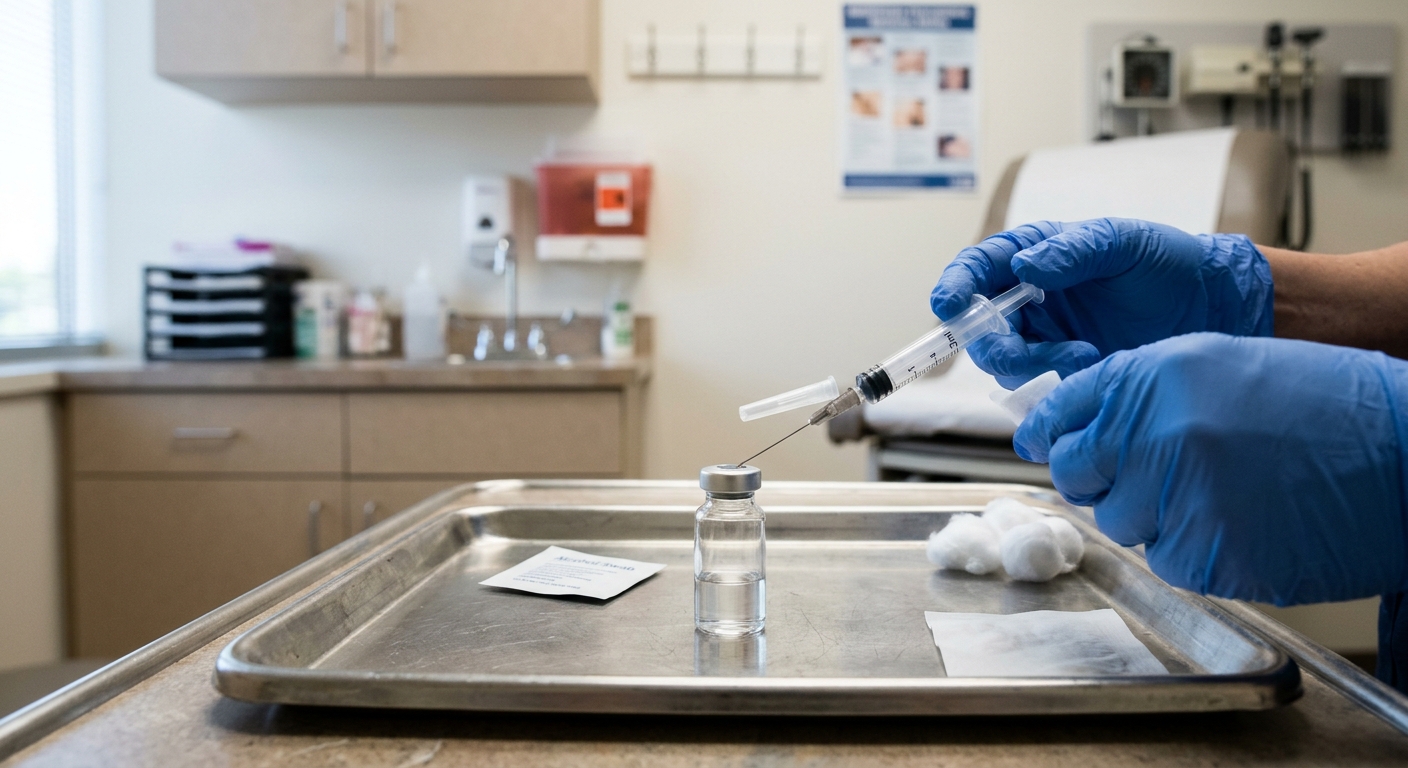
AI-generated illustration; not a photograph of the reported event.
- calendar_today November 25, 2026
Measles Cases Rising Rapidly in Virginia
Virginia is experiencing a notable increase in measles cases, with dozens reported in just over a month. Health officials confirm that this marks the second major surge of measles activity in the state for 2026.
2026: A Record Year for Measles in the State
According to the Virginia Department of Health (VDH), there have been 230 confirmed cases of measles in 2026 as of November 24. This represents a significant spike compared to previous years, making 2026 the third most active year for measles in Virginia since 1979.
Central Virginia at the Epicenter
The majority of the cases—203 out of 230—have been reported from Central Virginia. Earlier in the year, a large outbreak in Buckingham and Cumberland counties alone sickened more than 150 individuals during the summer months. This outbreak officially ended in mid-August, leading to a lull in reported cases until a new surge began on October 17.
Fifty-One New Cases within a Month
Between October 17 and November 24, VDH has tracked 51 new measles cases. Most of these recent cases are from Charlotte County, with additional cases reported in Buckingham and Cumberland counties. Notably, this recent surge included a measles-related death in a small child, marking Virginia’s first such fatality since 1978.
Factors Behind the Surge
State health officials attribute the increase in cases to travel-related exposures and a decline in national vaccination rates. The VDH stresses the importance of the measles, mumps, and rubella (MMR) vaccine, indicating that measles is "easily preventable" and that two doses of the vaccine provide lifetime protection.
Who Is Vulnerable to Measles?
Measles spreads easily through the air or by direct contact with mucus or throat discharge from an infected individual. People are contagious for four days before a rash appears and four days afterward, meaning the virus can spread before symptoms develop.
According to health officials, individuals who have received two doses of the MMR vaccine or who were born before 1957 are considered protected from measles. Those who have received only one dose are usually "very likely" to be protected, but full vaccination is recommended for everyone born after 1957. Unvaccinated people in outbreak areas are advised to avoid large gatherings, especially during the busy holiday season, due to measles activity nationwide.
Recognizing Measles Symptoms
Initial symptoms of measles include a fever above 101°F, runny nose, red and watery eyes, and a cough. These symptoms typically appear seven to 14 days after exposure. The illness progresses to a second stage three to five days after symptom onset, during which a rash develops on the face and spreads to the body. If symptoms arise, officials urge immediate self-isolation to prevent further spread.
Prevention Measures Remain Crucial
The Virginia Department of Health continues to recommend vaccination as the most effective means of preventing measles. The rise in cases and the recent death highlight the urgent need for awareness and immunization, particularly as large gatherings become more common toward the end of the year.
Source: wric.com.